A multifunctional dental desk companion that integrates X-ray viewing into everyday workflow.
00
problem
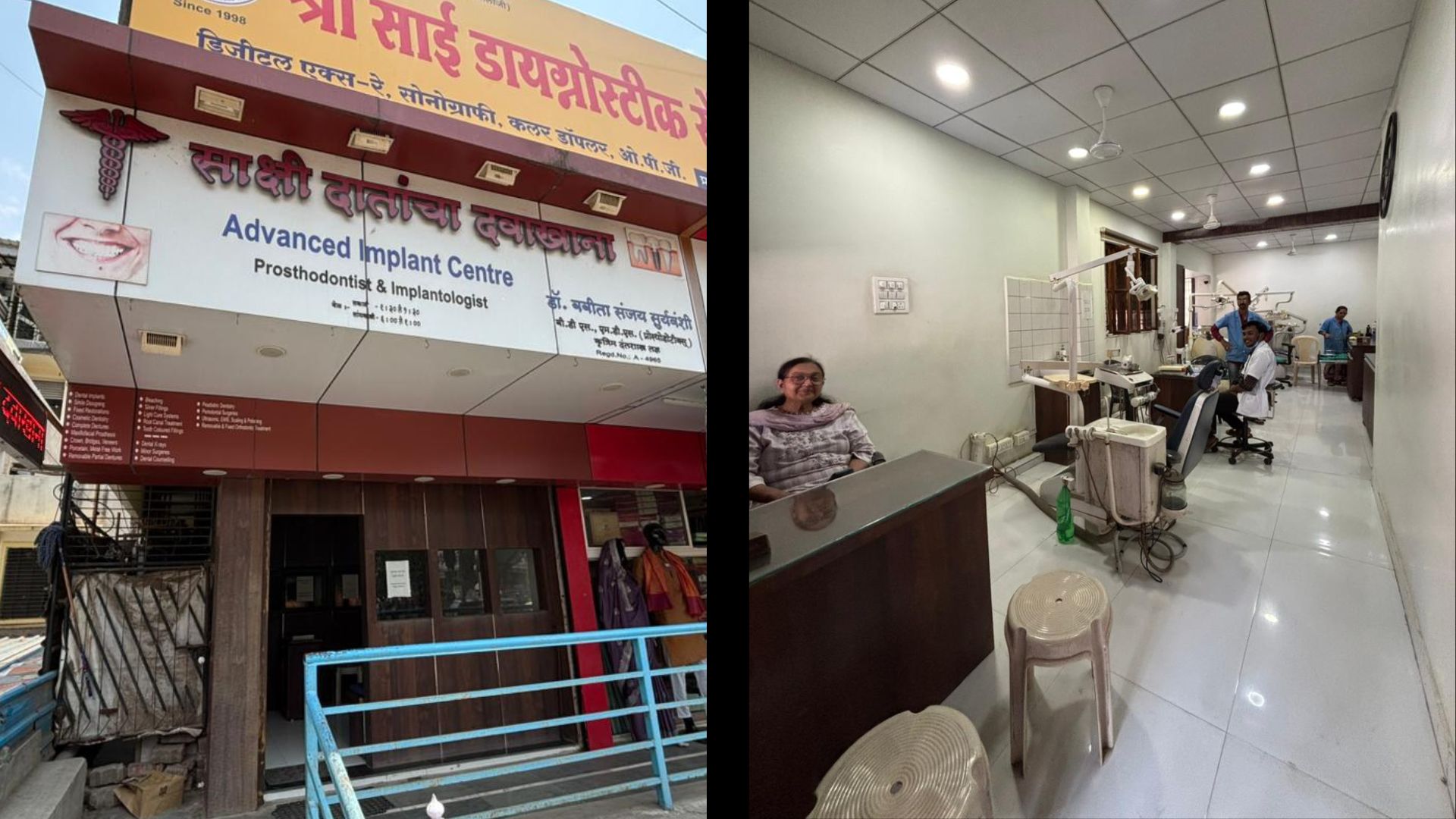
In most dental clinics, X-ray viewer boxes are already present — but over time, they often become unused or non-functional. Through observation, I noticed a pattern: * Dentists rarely turn on X-ray viewer units for quick checks * Small dental X-rays are instead viewed against ceiling lights * If the viewer stops working, it is usually ignored rather than repaired * Existing systems feel like an extra step, not part of the workflow This creates a situation where an important diagnostic tool is available, but not actively used.
solution
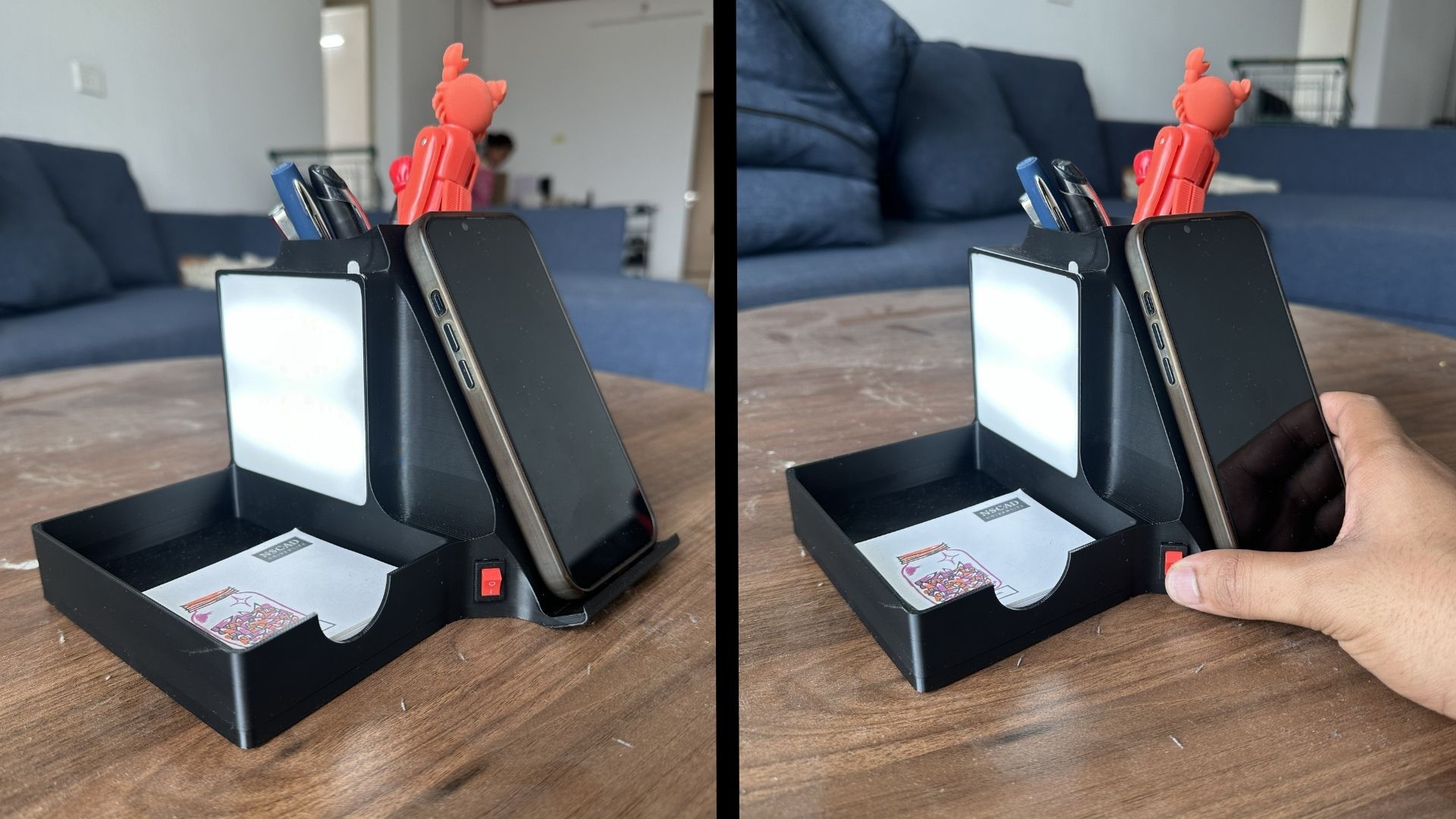
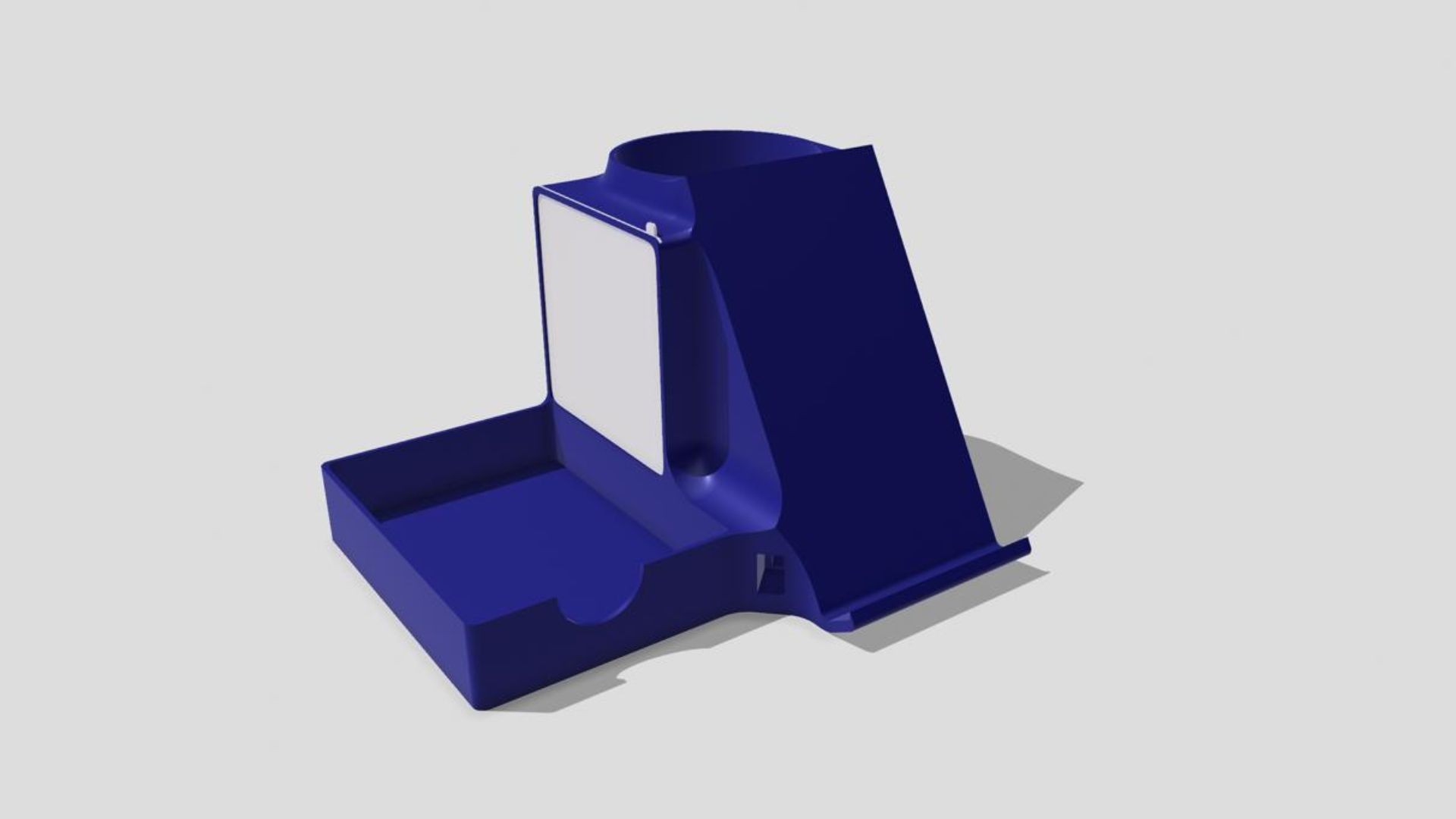
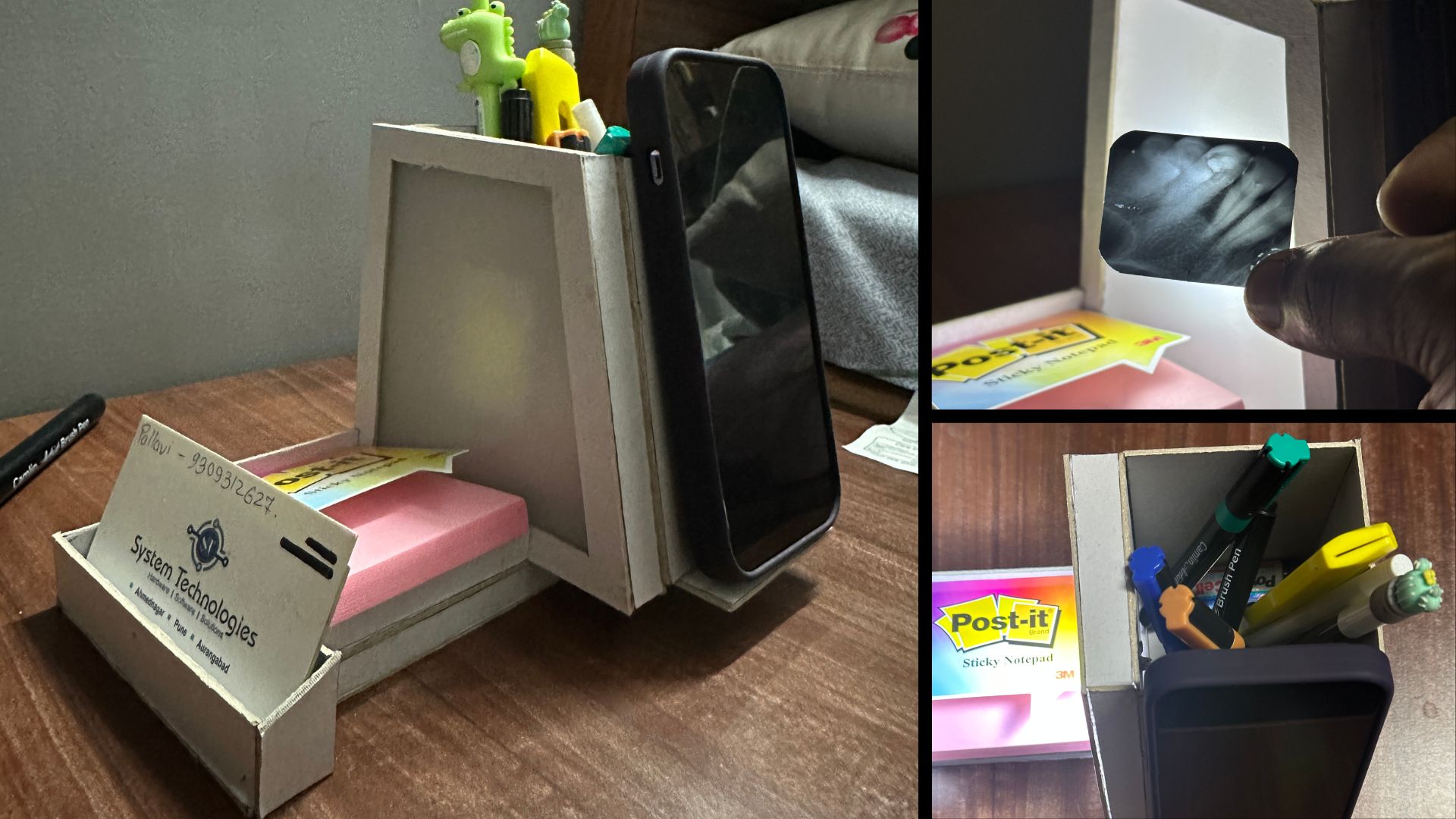
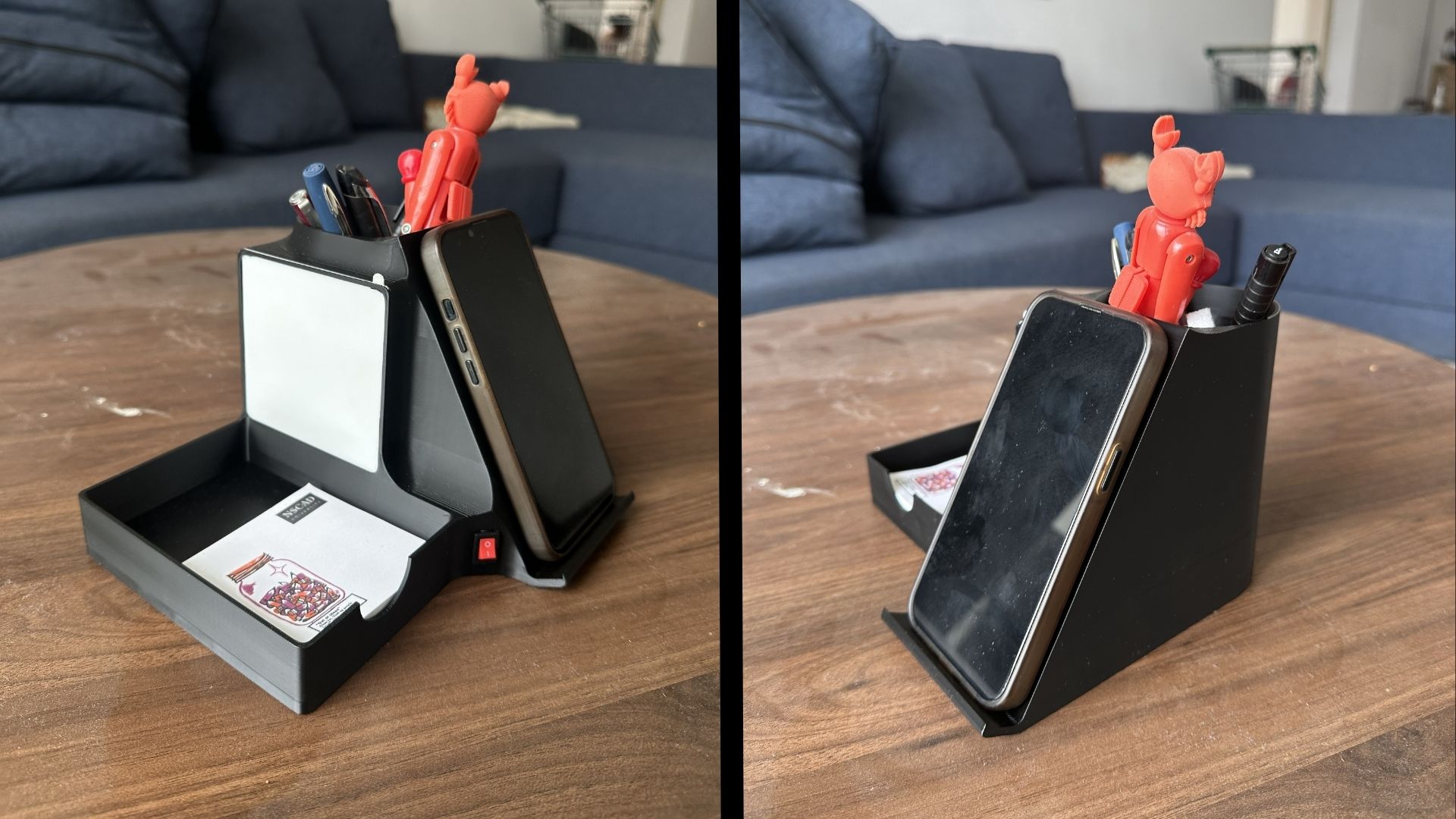
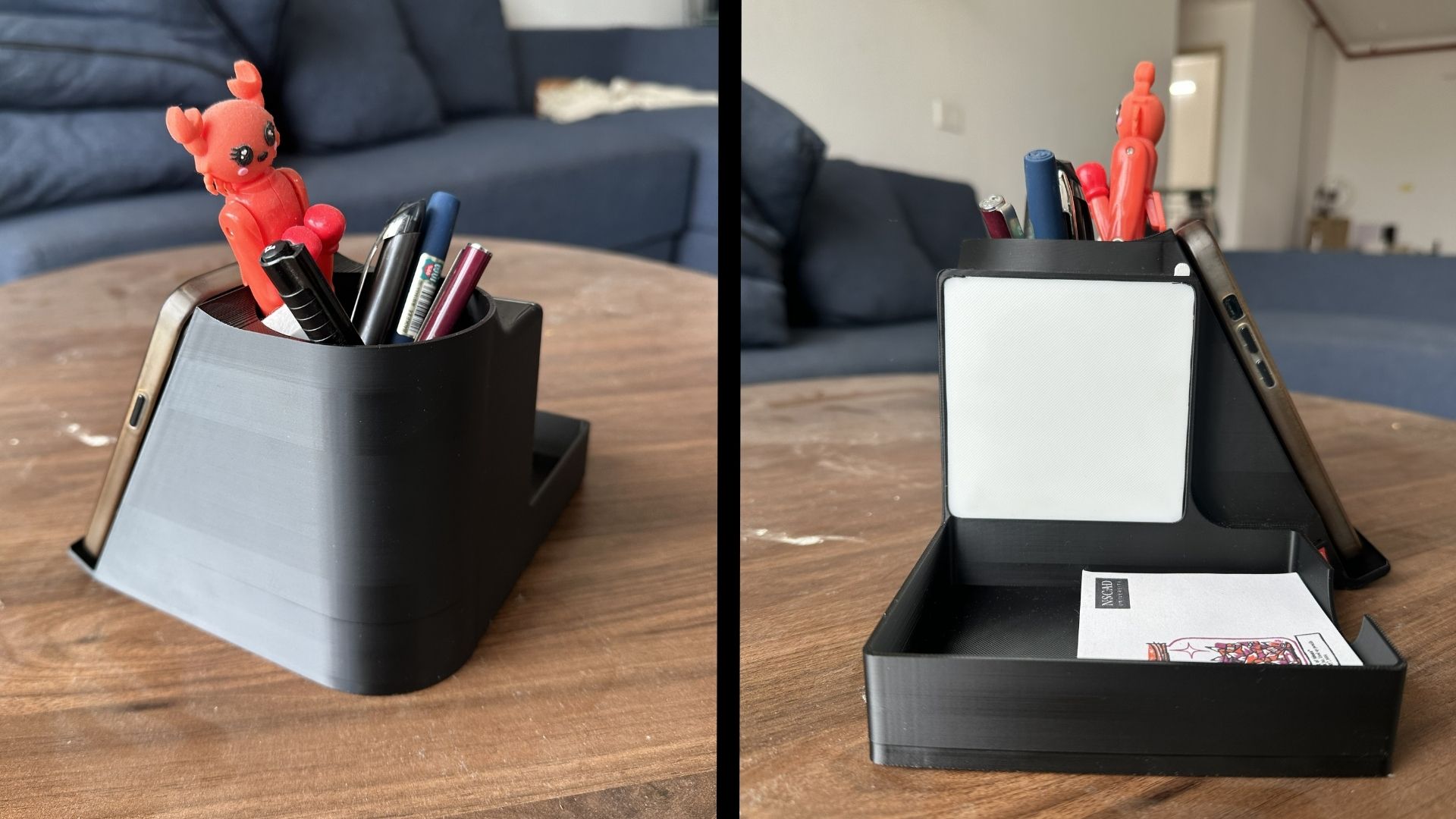
XTRAY reimagines the X-ray viewer as a passive, always-accessible function. Instead of designing another standalone device, the idea was to embed this feature into something dentists already interact with throughout the day — their desk space. The result is a single cohesive unit that combines: * A backlit X-ray viewing panel * A circular pen holder for daily tools * A tray for post-its, notes, or small objects * A card holder for quick access * A side-mounted phone stand By merging these functions, XTRAY ensures that the X-ray viewer becomes part of natural interaction, rather than an extra task.
Insight
The problem was not about the absence of technology,
but about how it fits into behavior.
Dentists don’t avoid X-ray viewing —
they avoid anything that interrupts their flow.
If something is not seamlessly part of everyday interaction, it slowly disappears from use.
STORY
The Premise
This project began with a simple observation inside dental clinics —
even though X-ray viewers were available, they were rarely used.
Dentists often relied on ambient light instead of switching on a separate system. The issue wasn’t about functionality, but about convenience and behavioral flow.
This led to a shift in thinking:
What if the X-ray viewer didn’t feel like a separate device at all?
year
2023
timeframe
2–3 Weeks
tools
Shapr3D (iPad), 3D Printing Cardboard Prototyping, Manual Assembly, User Research & Observation
category
Product Design
Early Exploration
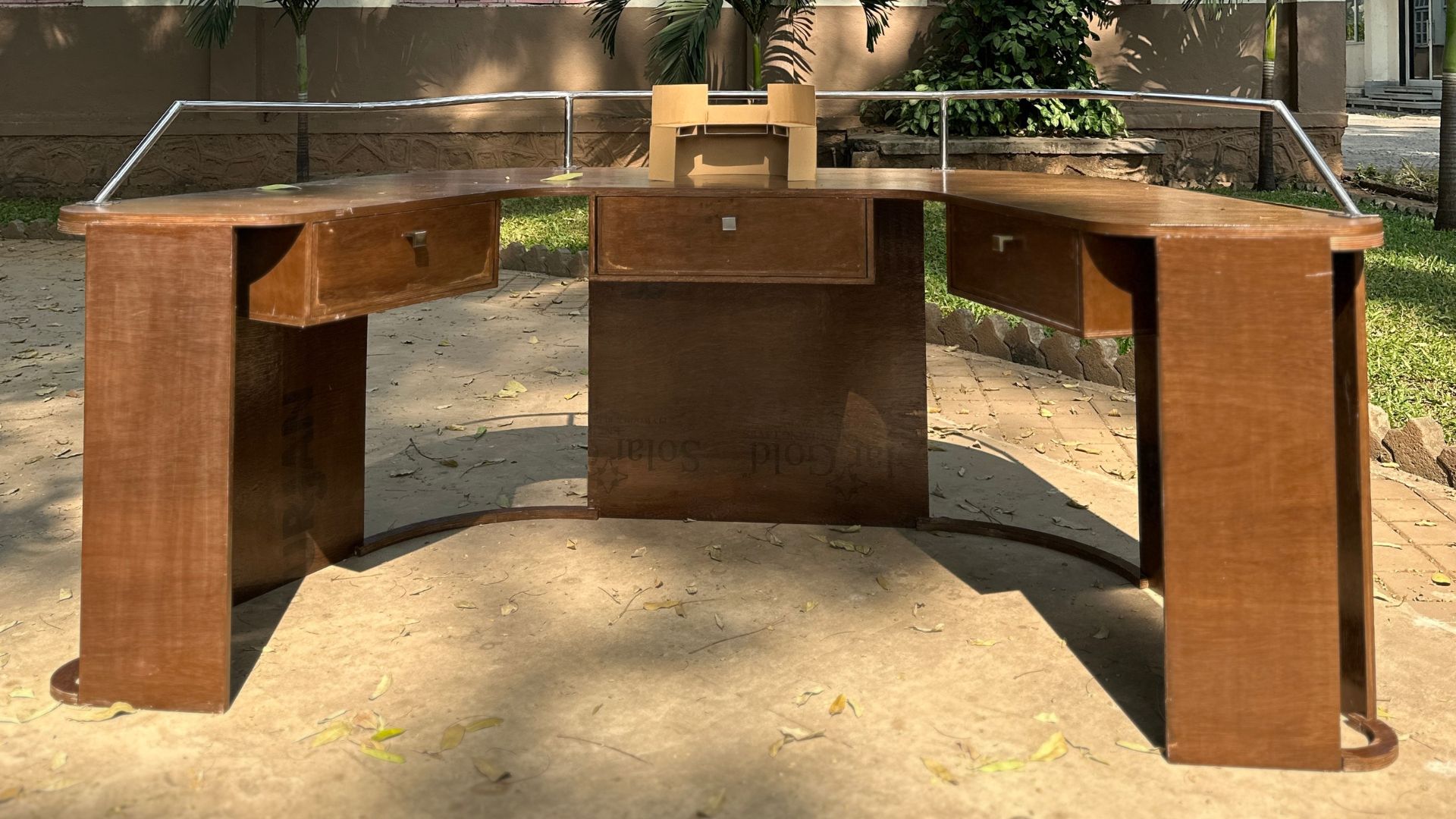
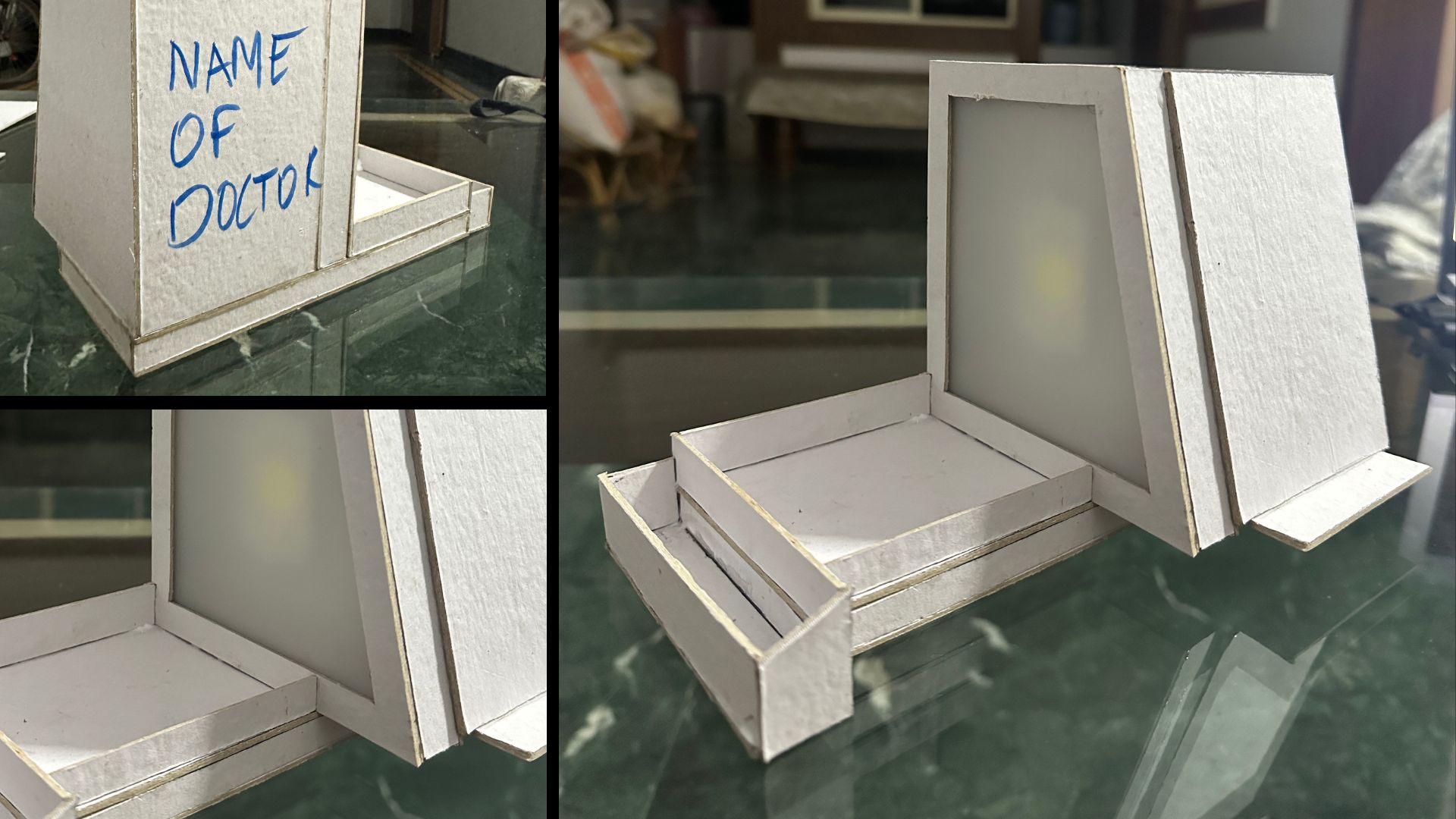
The process started with a cardboard prototype, which helped in understanding:
Proportions and spatial relationships
Placement of different functions
Viewing angle and accessibility
Overall usability on a working desk
This stage translated the idea into a physical interaction.
CAD & System Development
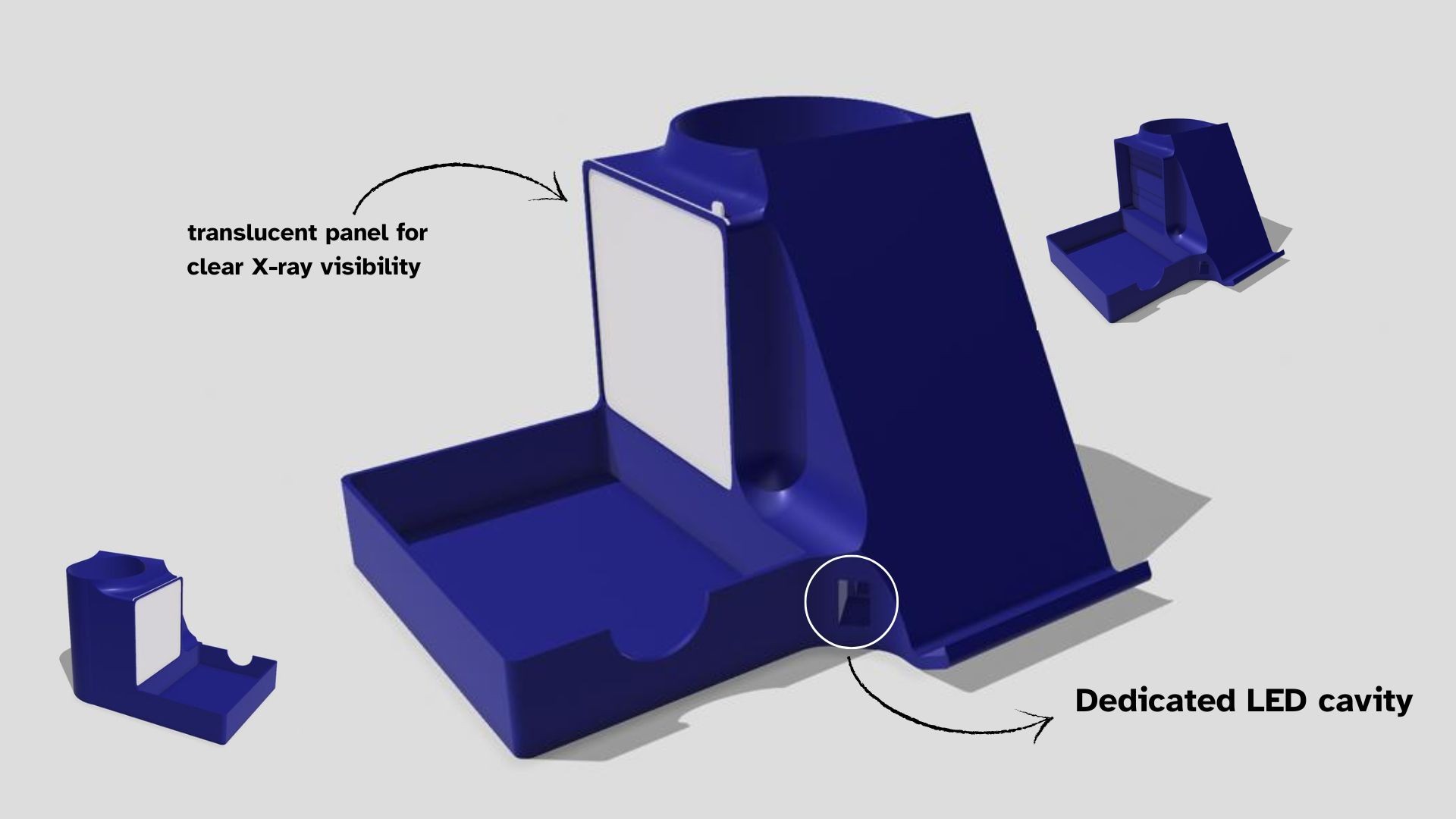
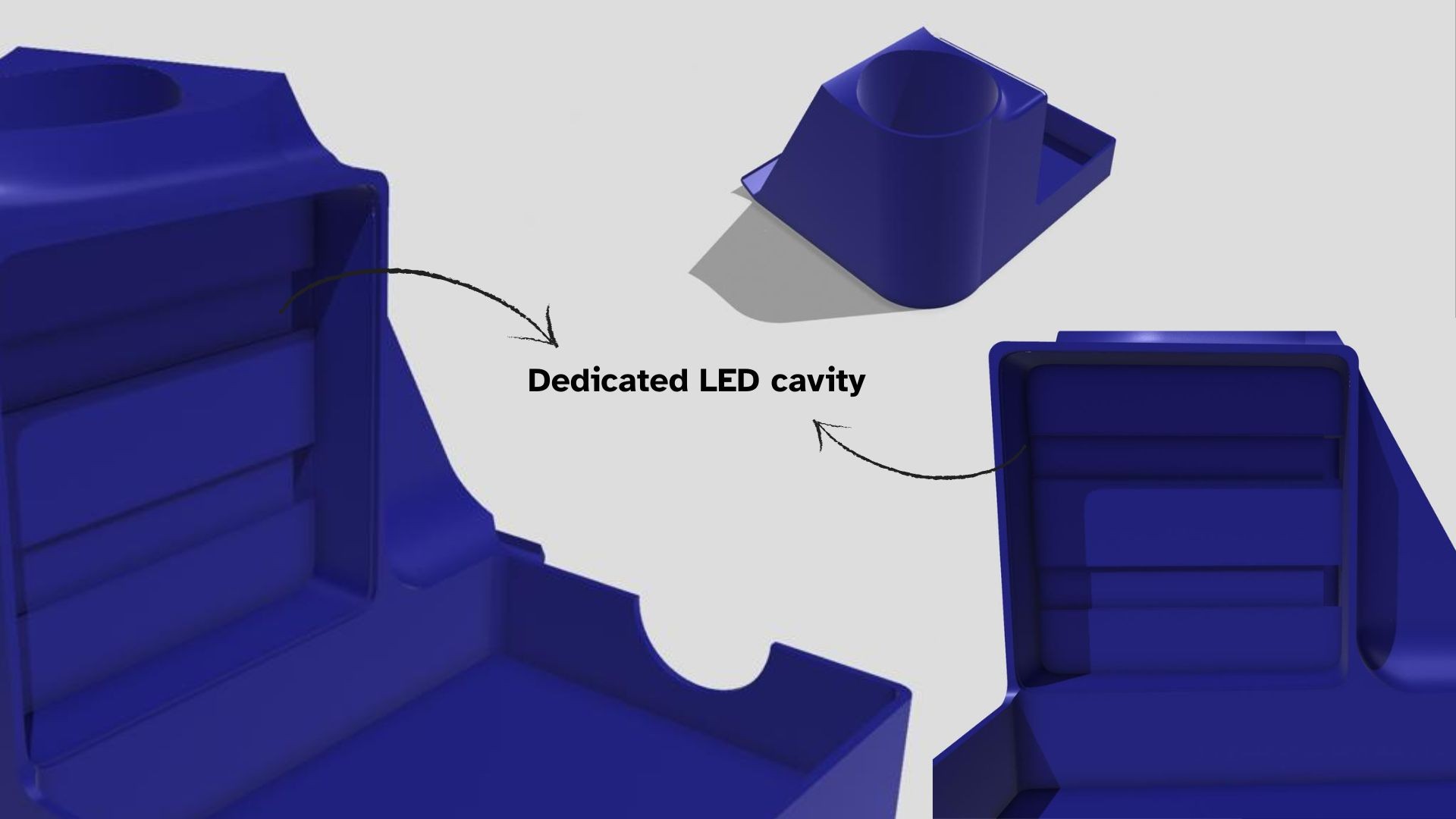
The design was further developed in Shapr3D on iPad, where both form and internal systems were resolved.
The product was designed as a complete system, including:
A dedicated LED cavity for even light diffusion
A translucent panel for clear X-ray visibility
Internal wire routing channels
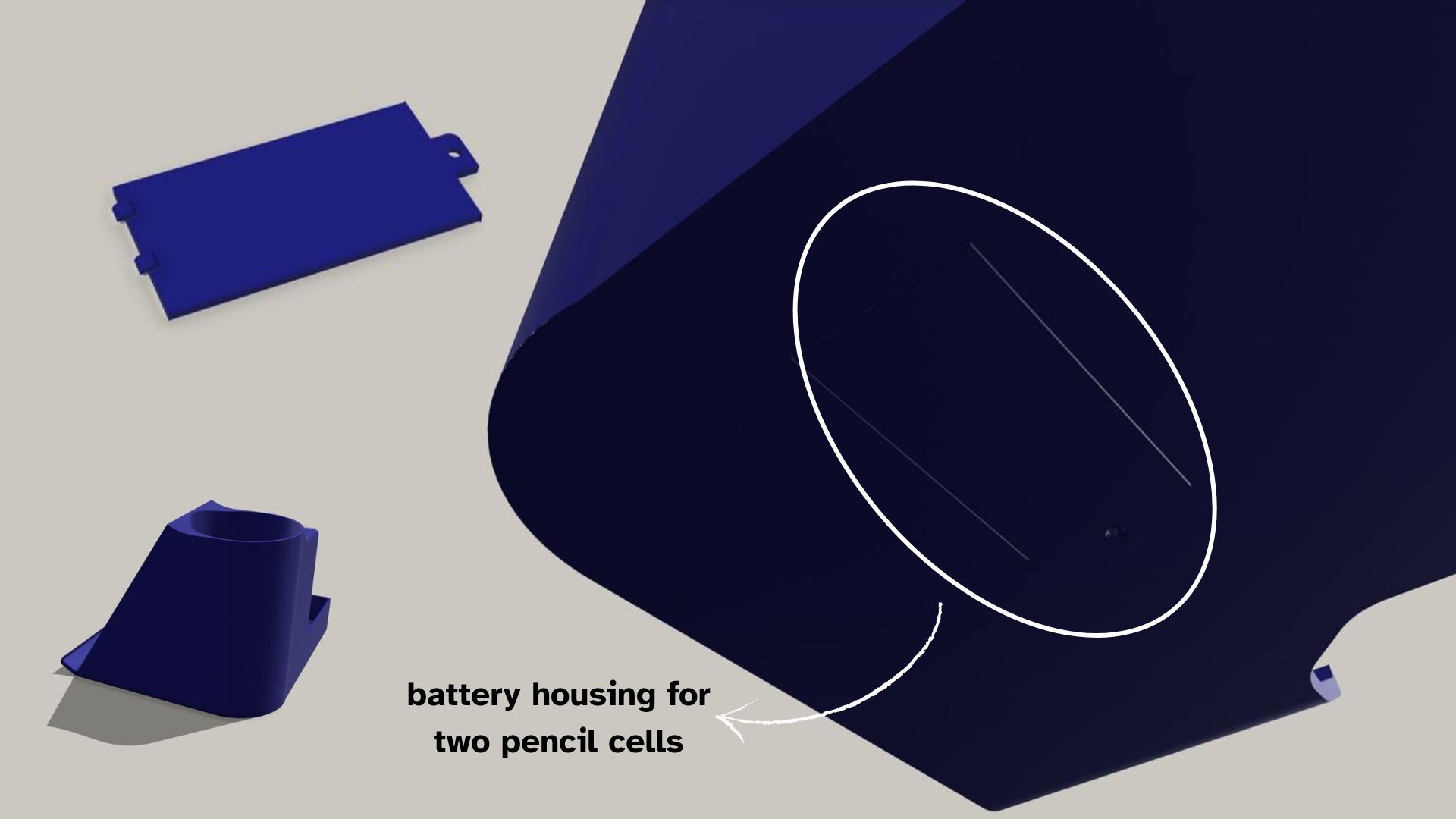
A battery housing for two pencil cells, enabling portability
A removable back panel for easy maintenance
An ergonomically placed switch, aligned with natural thumb movement
The geometry was refined to maintain a clean, unified form, ensuring that all functions feel integrated rather than added.
Prototyping & Build
The final model was 3D printed and assembled, integrating:
LED lighting system
Battery and wiring setup
Functional testing of usability and illumination
The prototype successfully demonstrated that the product works as intended — both functionally and ergonomically.
Outcome
01
02
03