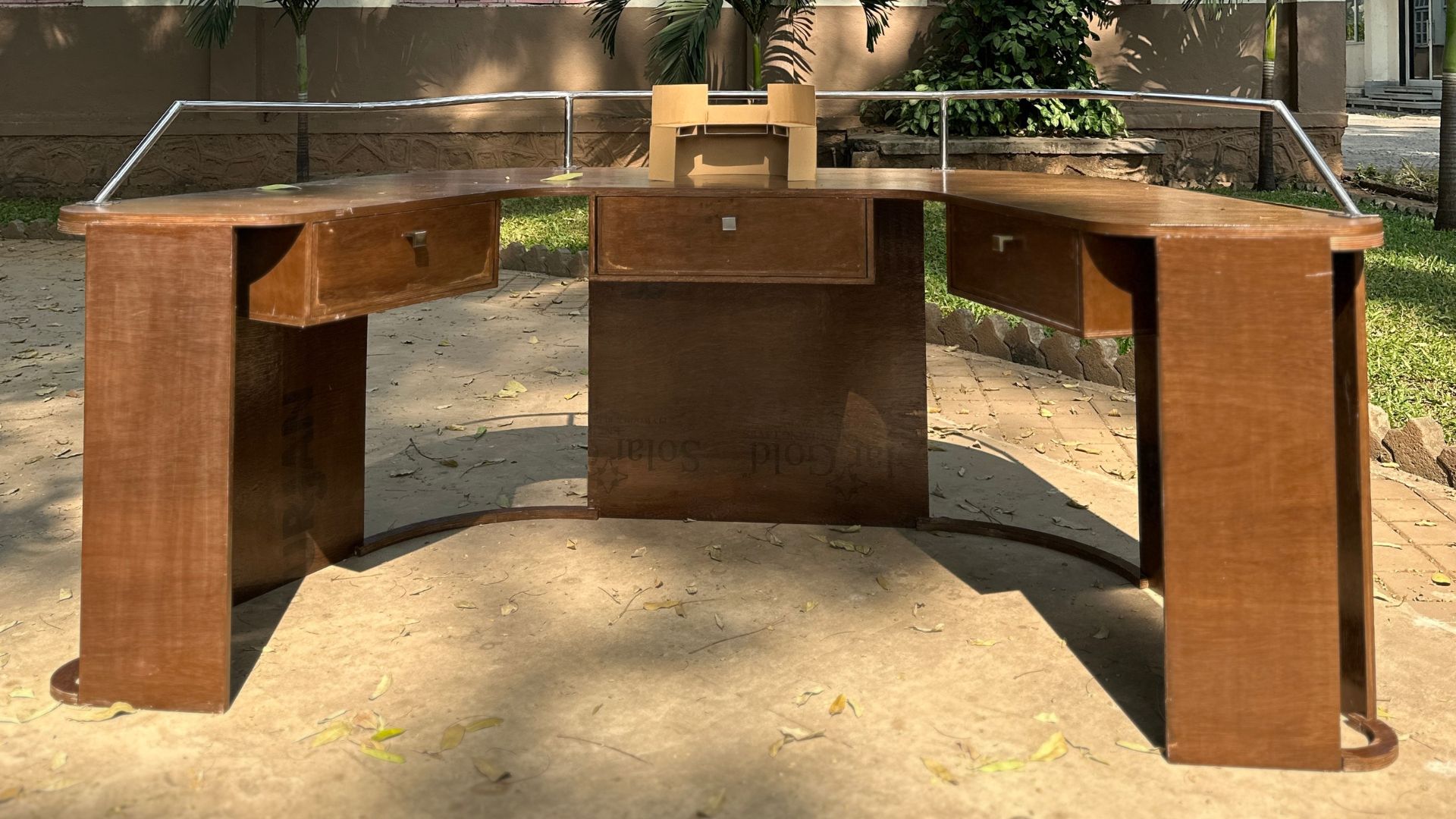
A multi-utility workstation designed around real workflows from digital work to hands-on making.
00
problem
Most desks are designed for a single, fixed activity typically computer work — which makes them inefficient for workflows that involve multiple tasks happening simultaneously. My personal workflow constantly shifts between working on a computer, building electronics like Arduino circuits, and physically prototyping objects. This creates challenges such as lack of space, cluttered surfaces, and restricted movement. The core problem was to design a workspace that could support: * Multiple activities at the same time * Easy access to tools and materials * Storage without compromising leg space * Comfortable interaction across the entire surface The aim was not just to build a desk, but to rethink how a workspace can adapt to real usage.
solution
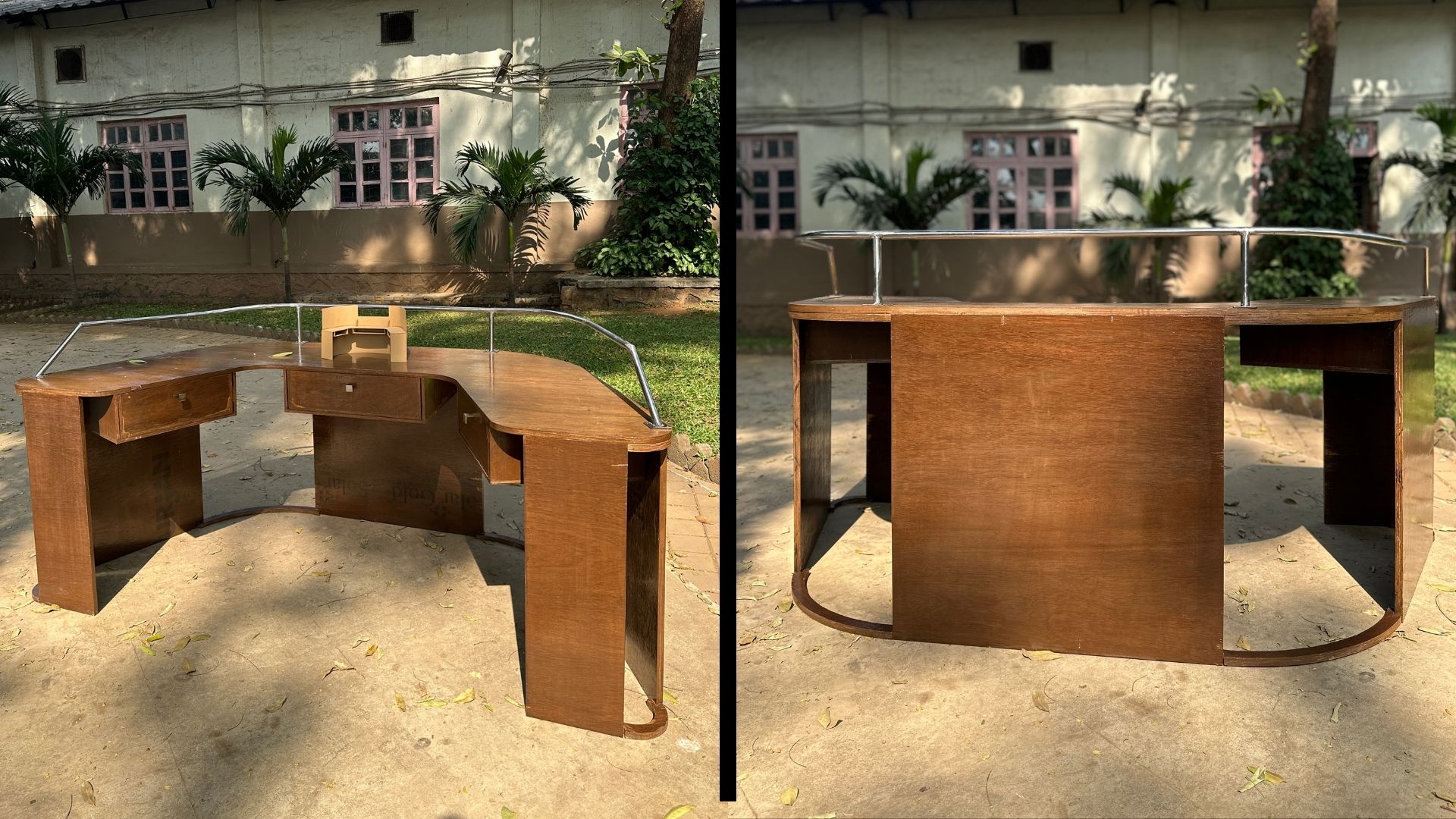
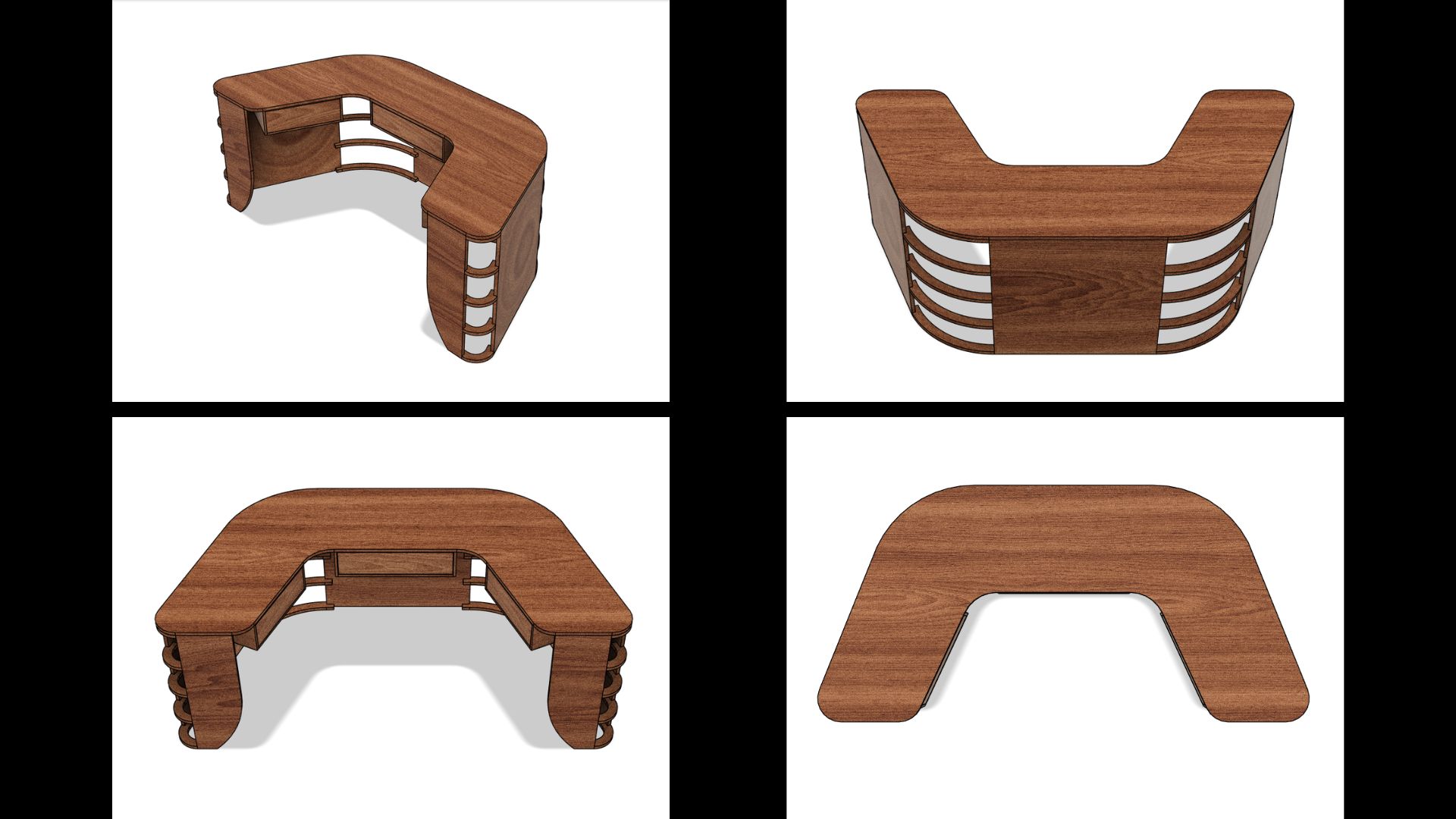
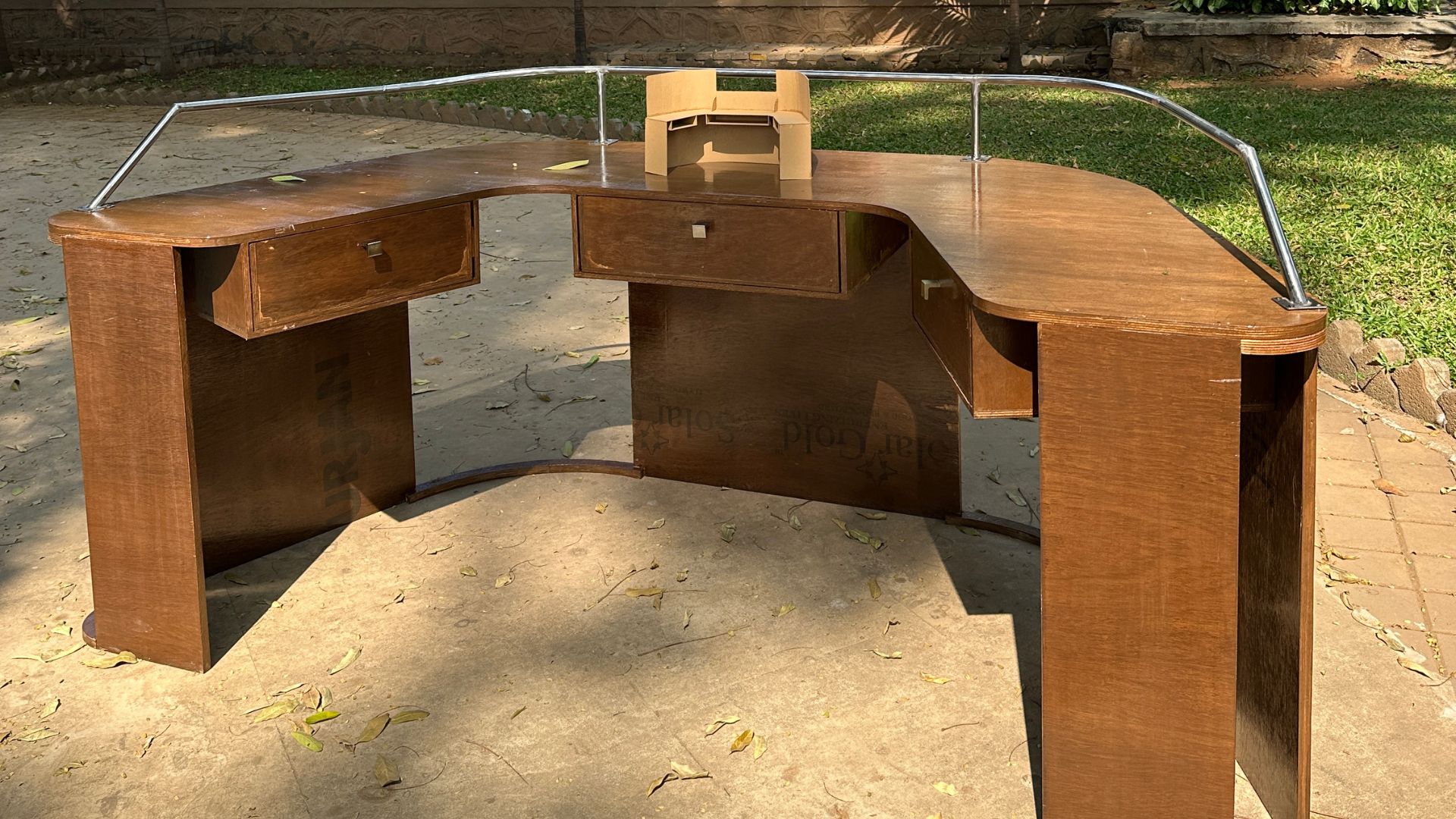
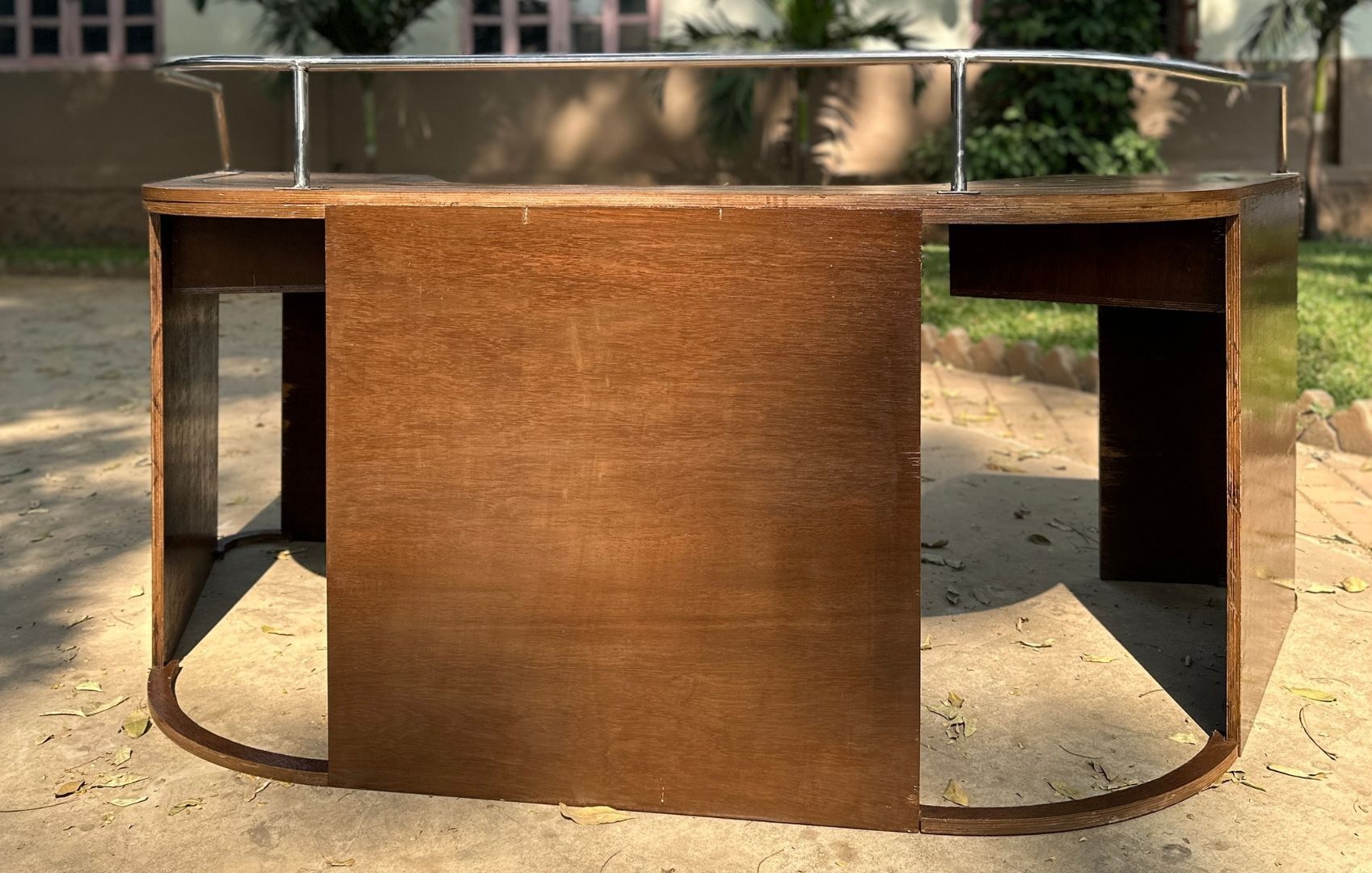
Shield was designed as a multi-utility workstation that integrates working surface, storage, and structure into one cohesive system. The solution focuses on creating a large, continuous tabletop inspired by the PS5 controller, allowing better reach and a more immersive working experience. Storage is integrated through drawers on three sides, ensuring accessibility without affecting comfort. Due to fabrication constraints, the original curved structural elements were replaced with modular 18mm plywood joints, maintaining strength while simplifying production. Key features: * Large, enveloping tabletop * Multi-side drawer system * Open leg space for comfort * CNC-fabricated structure using 18mm plywood * Adapted structural system for manufacturability The final design balances functionality, structural stability, and fabrication feasibility.
Story
Shield began as a response to a simple brief — to design a table for anyone. Instead of choosing a hypothetical user, I chose to design the desk for myself, making the project more grounded in real needs and actual working patterns.
Understanding My Workflow
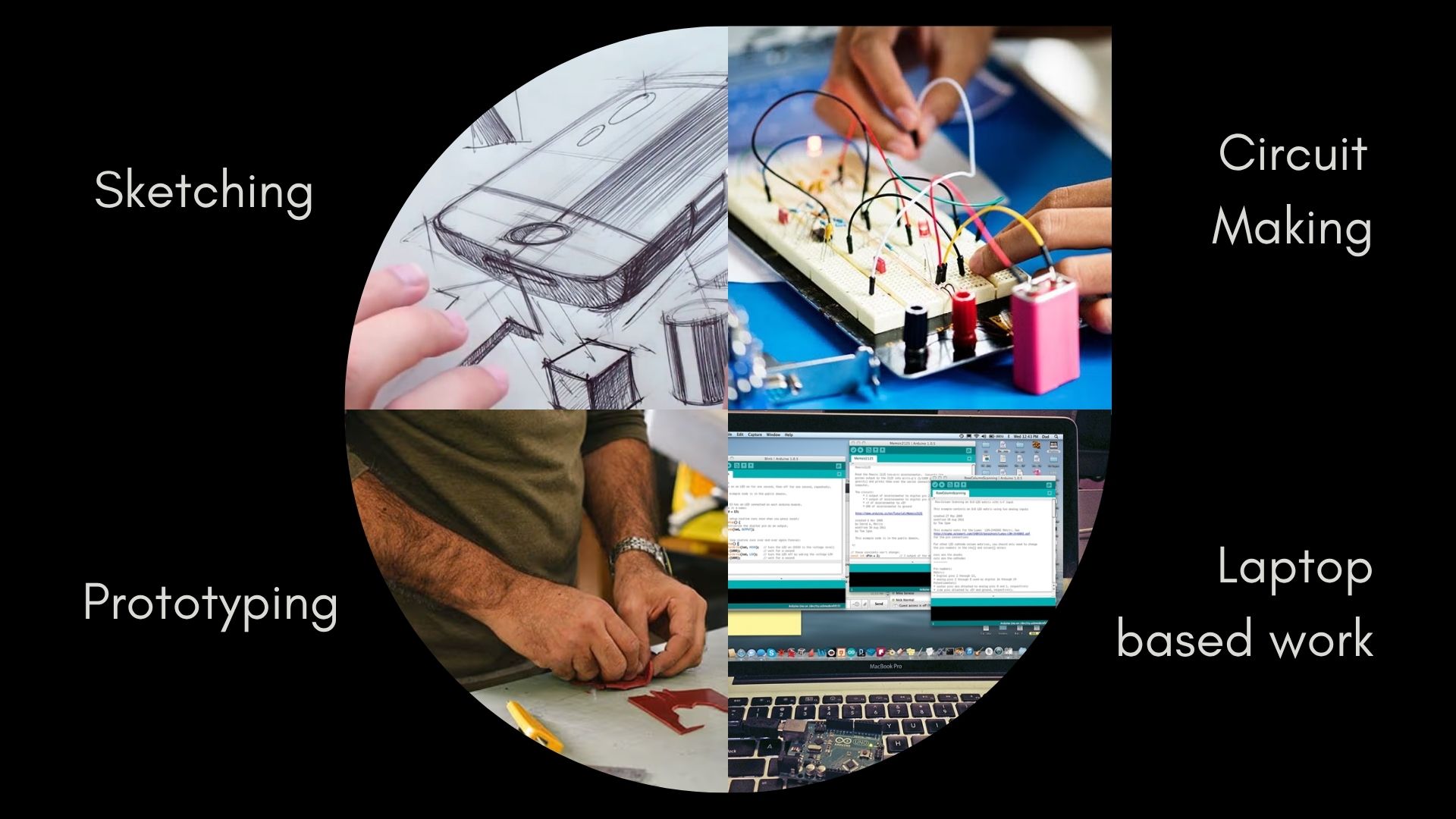
My daily workflow is not limited to a single activity. I constantly shift between different modes of working — from digital tasks to hands-on making.
This includes:
Computer-based work
Electronics and Arduino prototyping
Physical making, assembling, and experimenting
Most conventional desks are not designed for this overlap. They often result in cluttered surfaces, limited space, and restricted movement. This became the starting point to design a workspace that supports multiple activities simultaneously without compromise.
year
2024
timeframe
2-3 Weeks
tools
Autodesk Fusion 360, CNC Router, Hand Tools, Sanding & Finishing Tools
category
Furniture Design
Early Exploration & Form Thinking
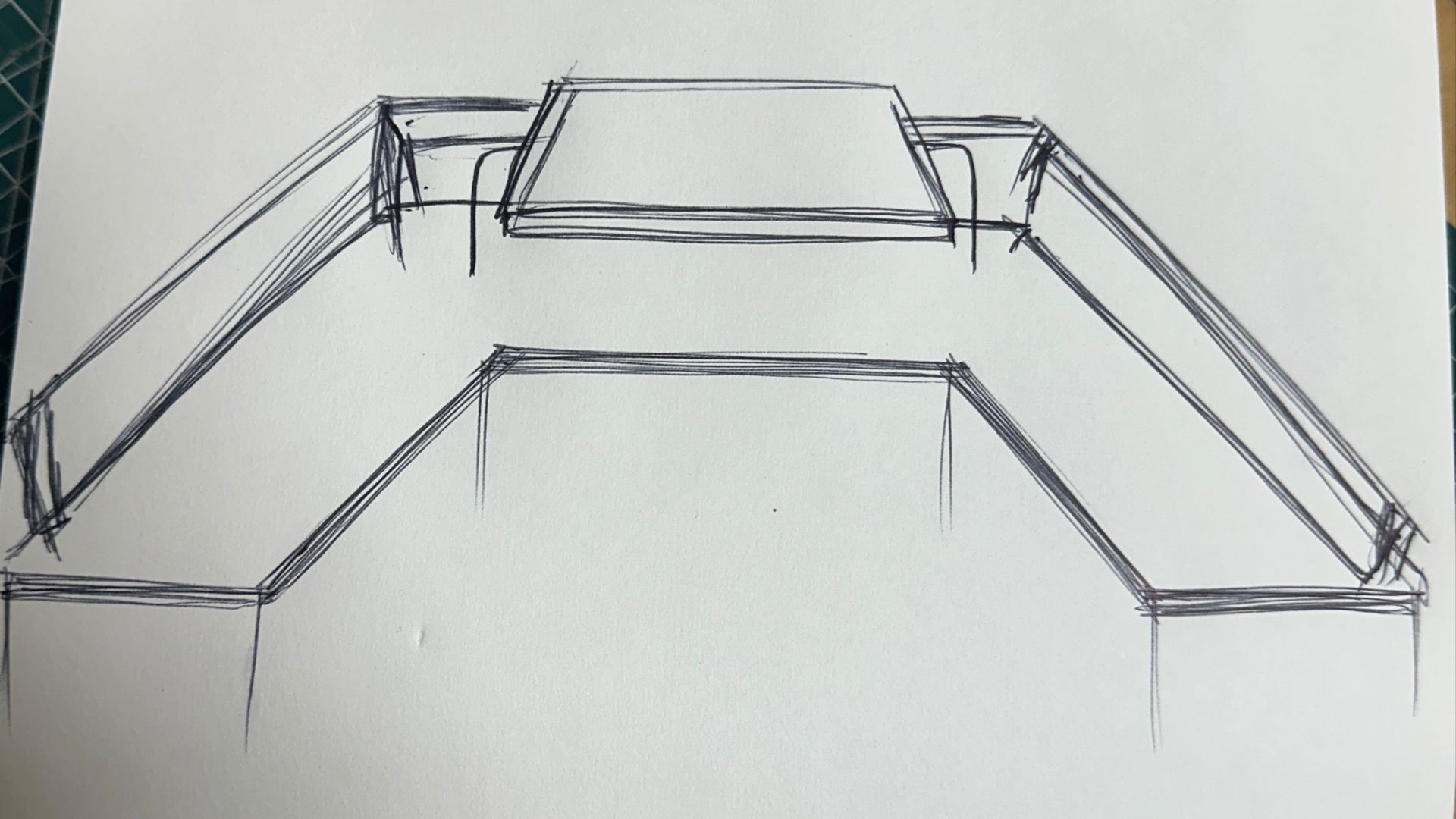
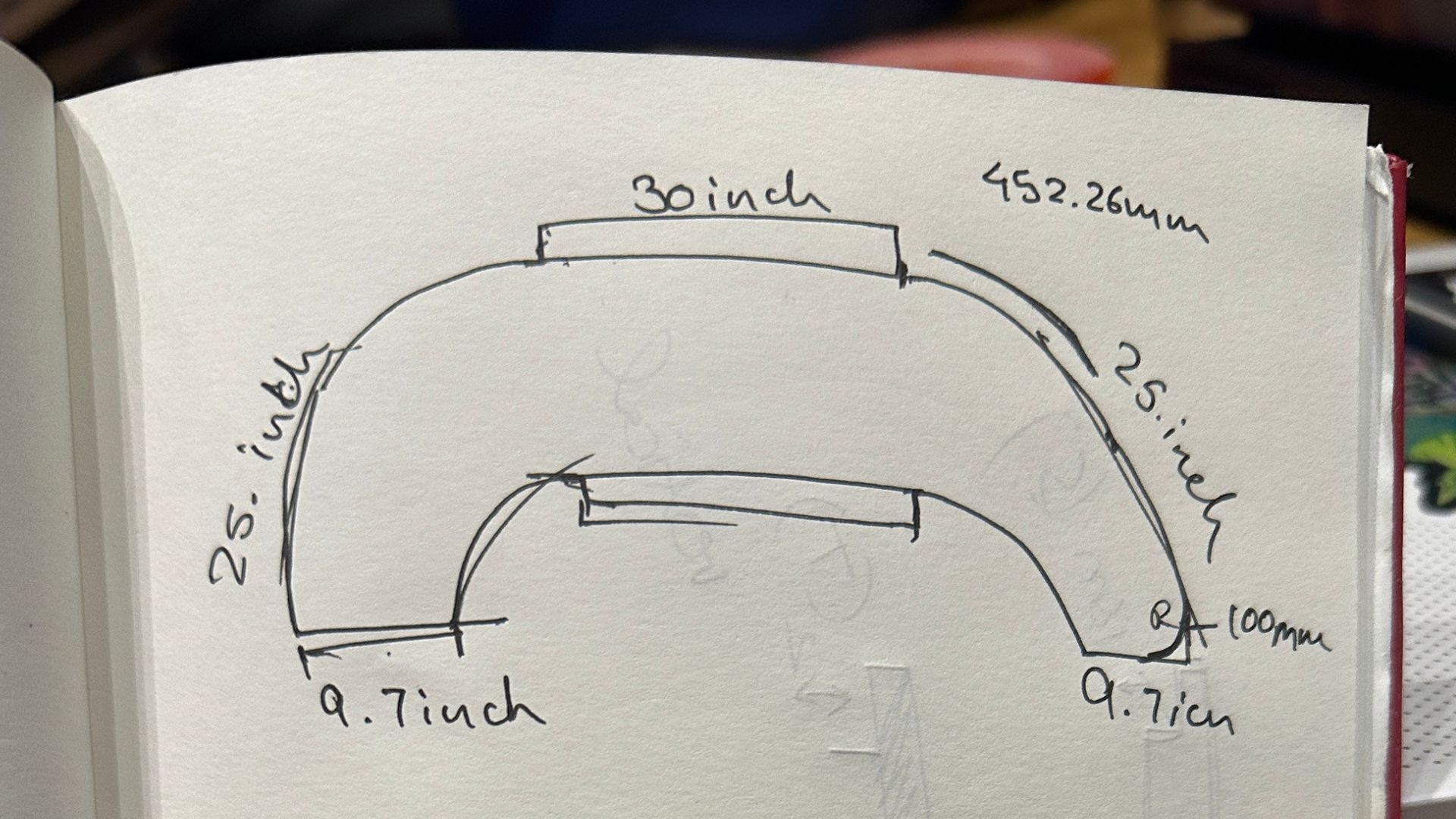
The process began with hand sketches, where I explored forms that move beyond the traditional rectangular desk. The focus was not just on shape, but on how the user interacts with the workspace.
The final form direction was inspired by the top view of a PS5 controller, translating its ergonomic and fluid geometry into a functional desk.
Creates a more dynamic and immersive workspace
Improves reach across different areas
Allows the desk to wrap around the user
Prototyping V1
To validate the concept, I built a full-scale cardboard prototype. This was a crucial step in understanding how the design behaves in real space.
Through this, I was able to:
Test proportions and dimensions
Evaluate reach and accessibility
Understand how the form supports movement
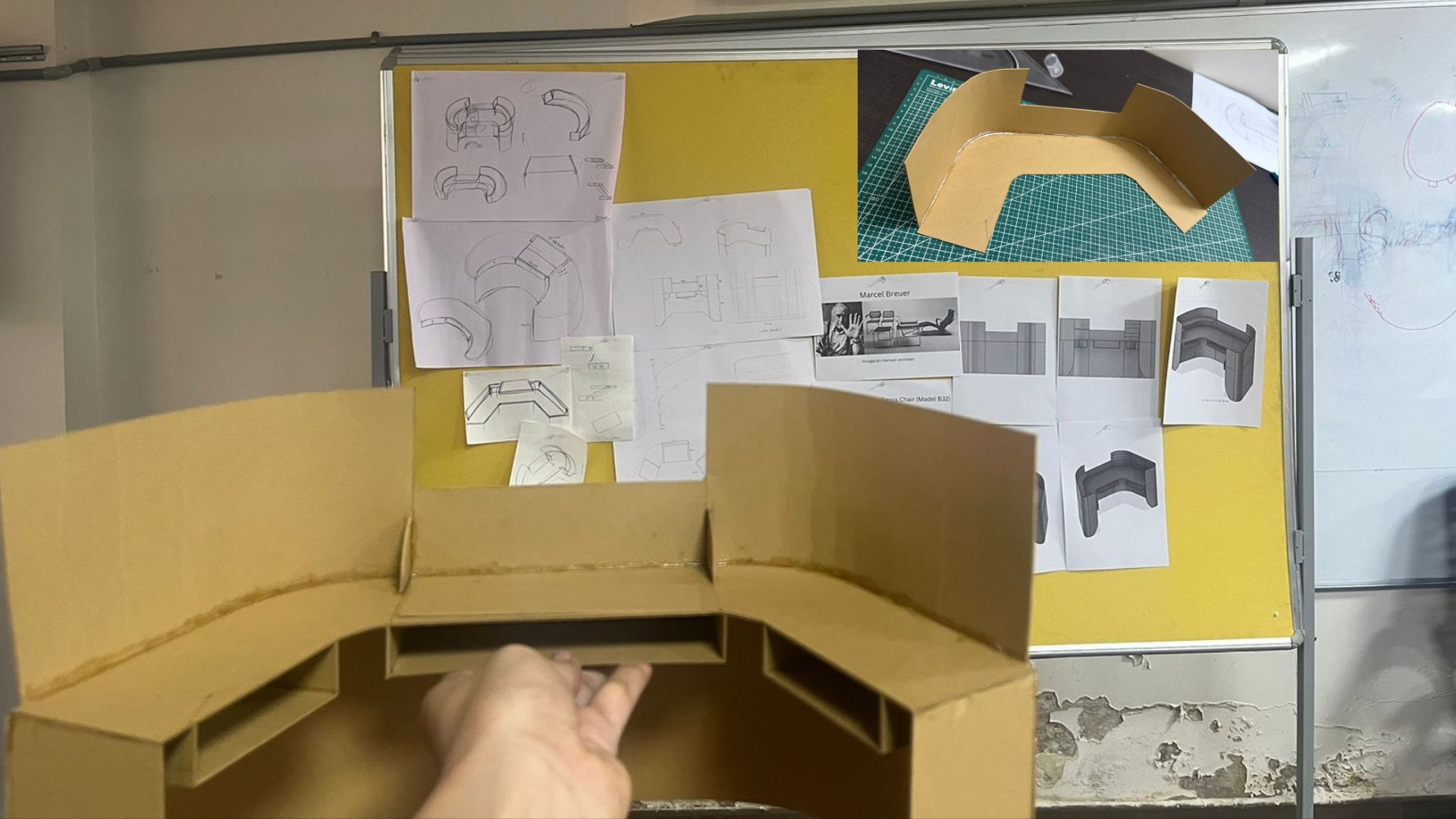
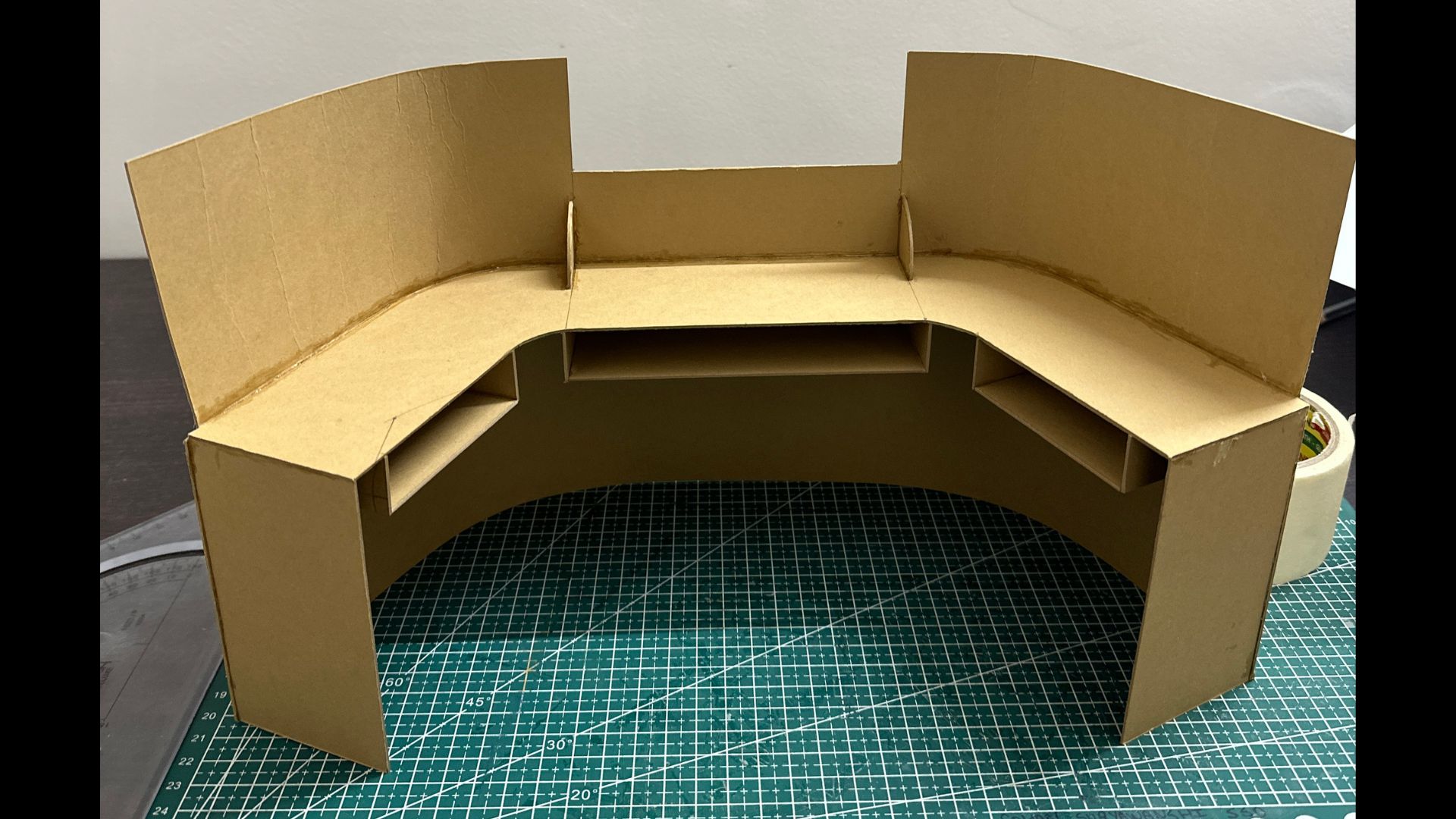
This stage helped bridge the gap between idea and physical experience.
CAD Development & CNC Planning
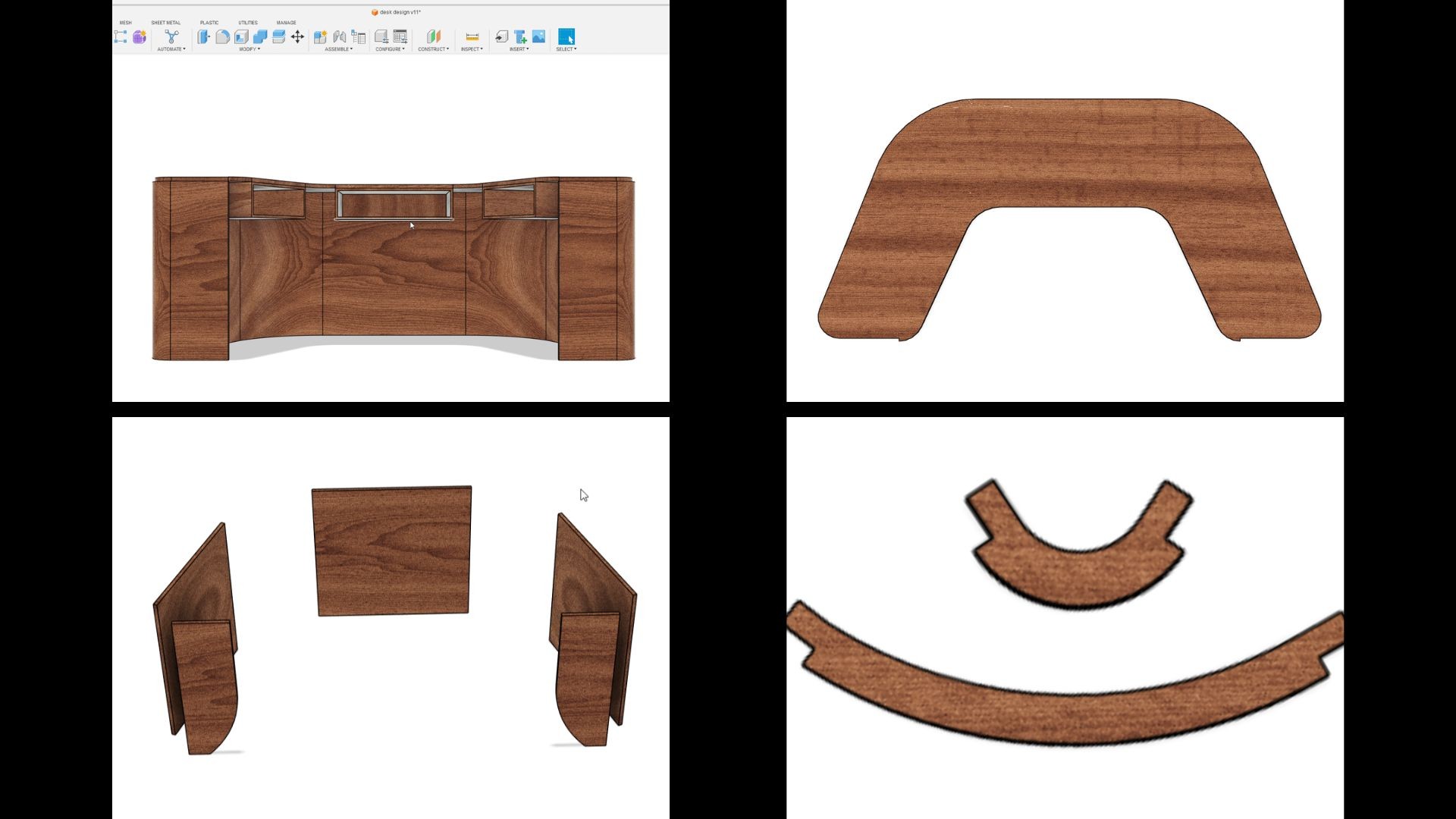
The design was then developed in Autodesk Fusion 360, where the concept was refined into a precise and manufacturable model.
At this stage:
Dimensions and proportions were finalized
Material thickness (18mm plywood) was defined
Joinery and structural components were planned
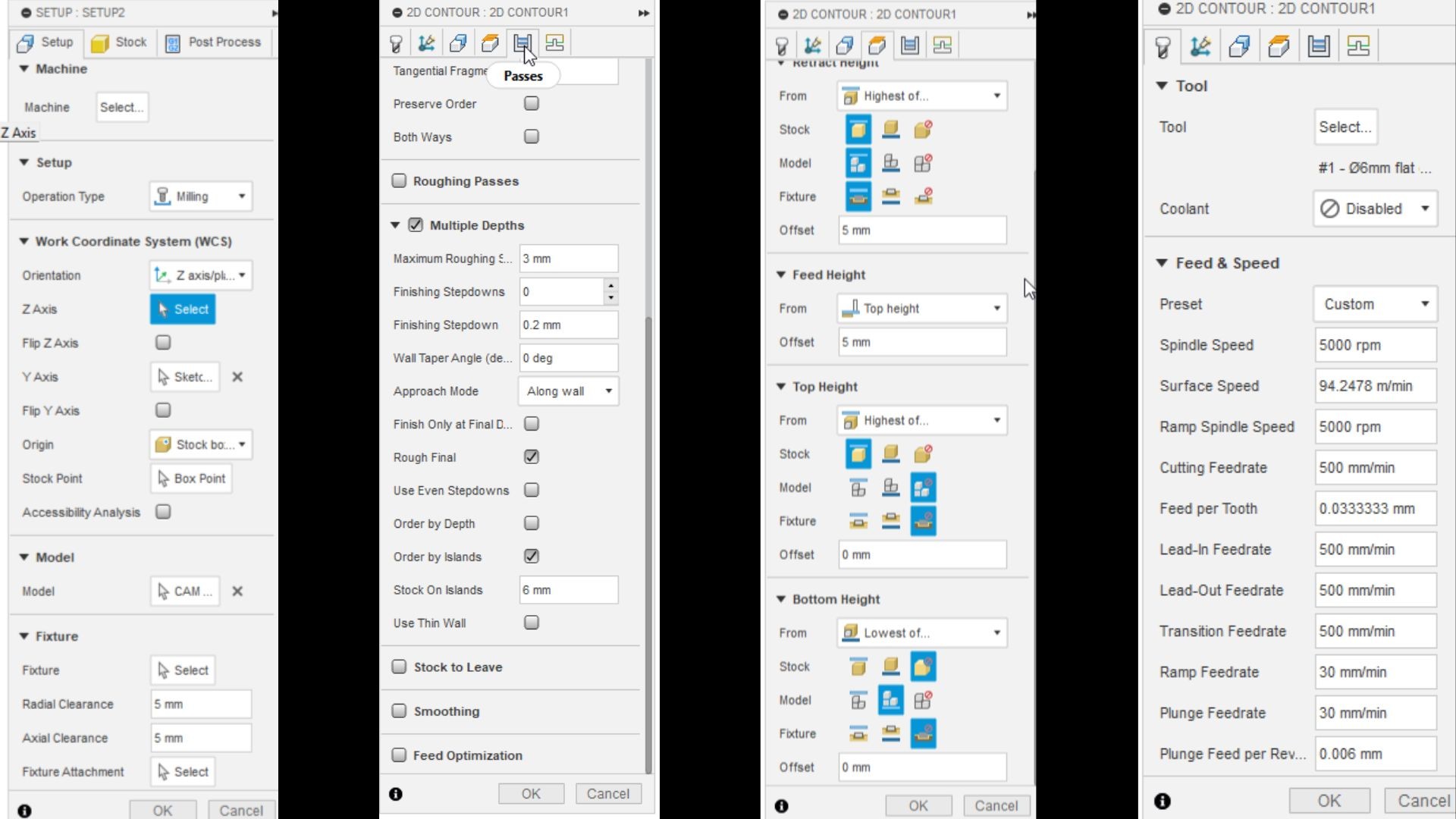
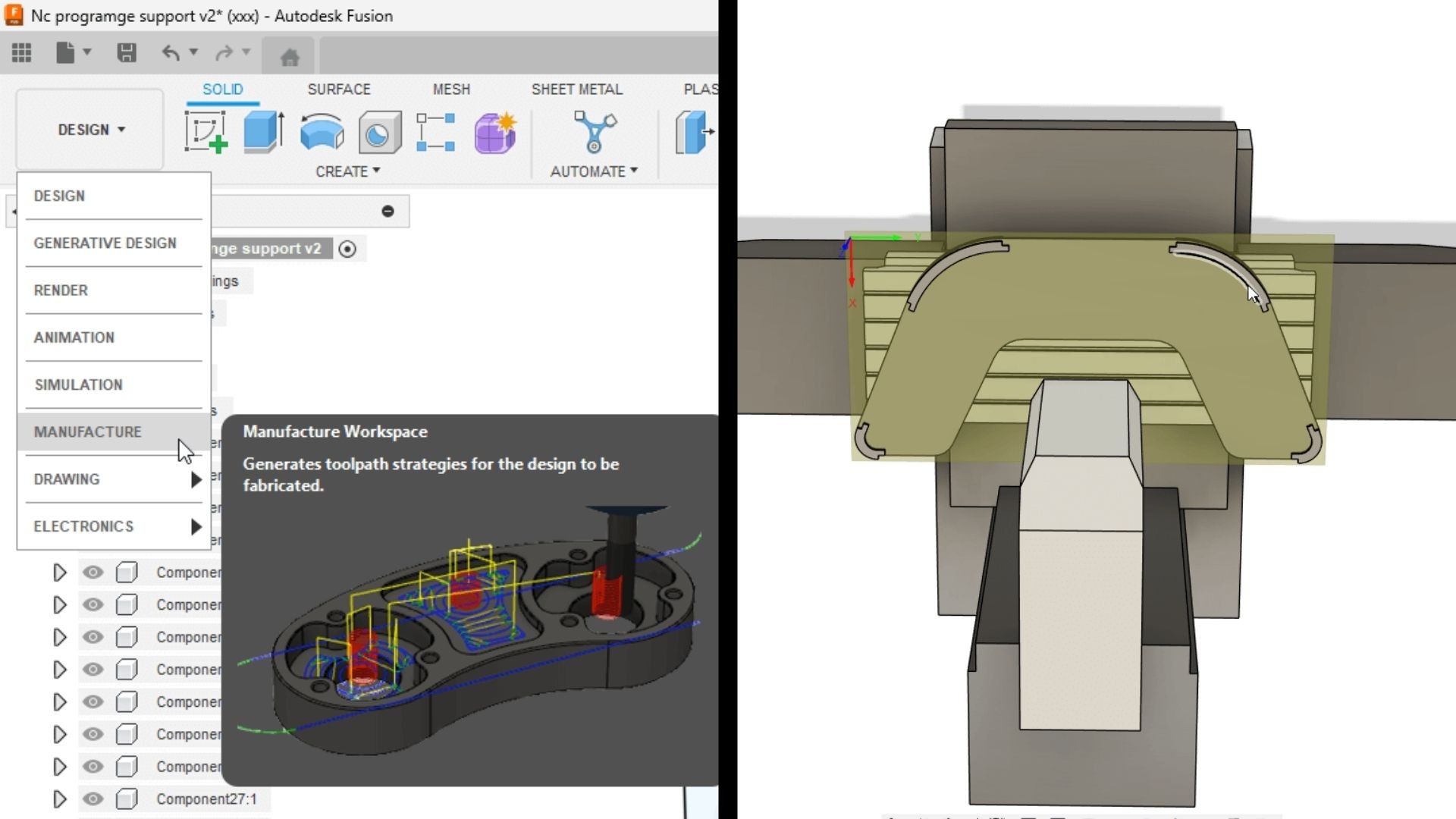
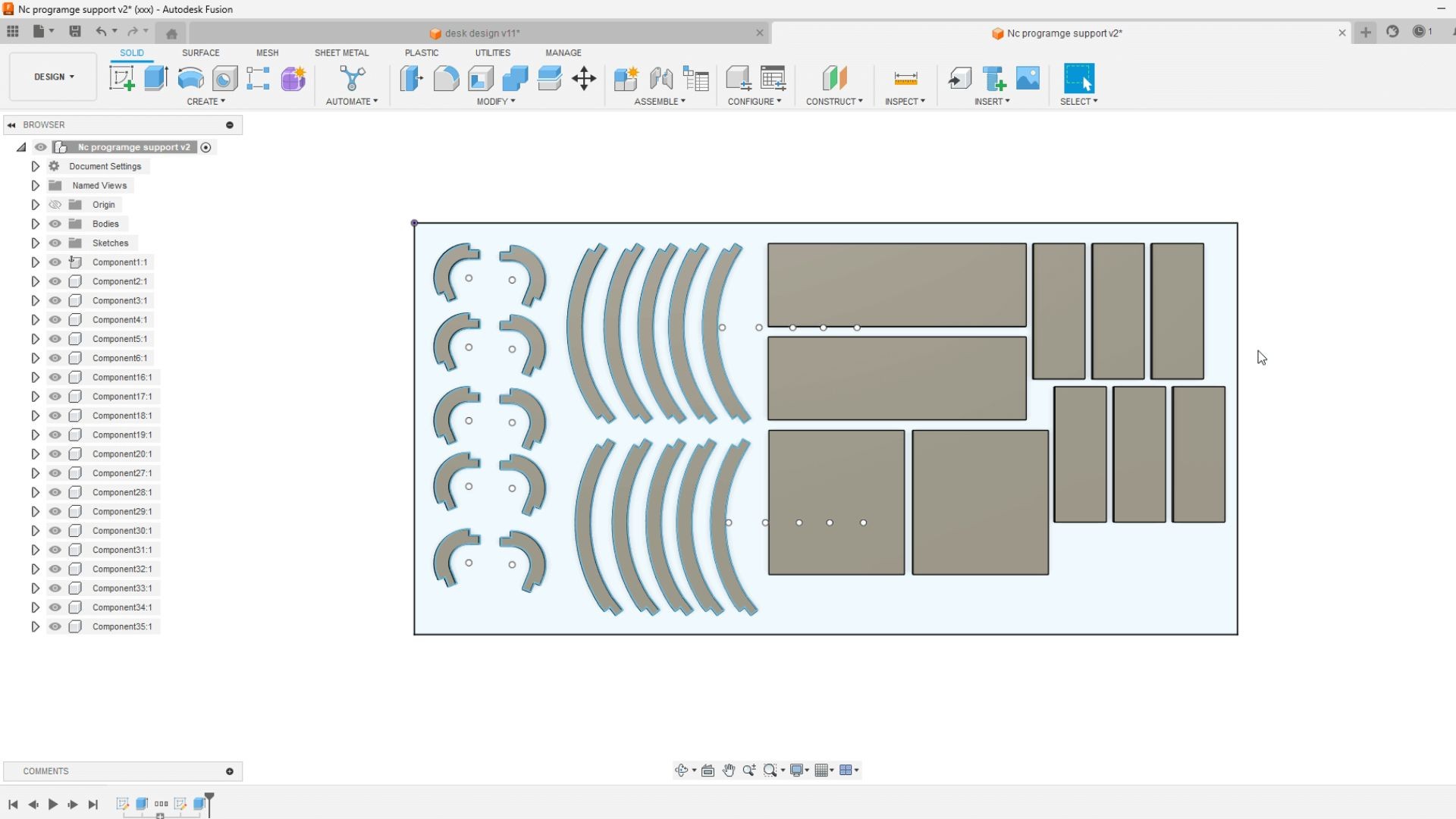
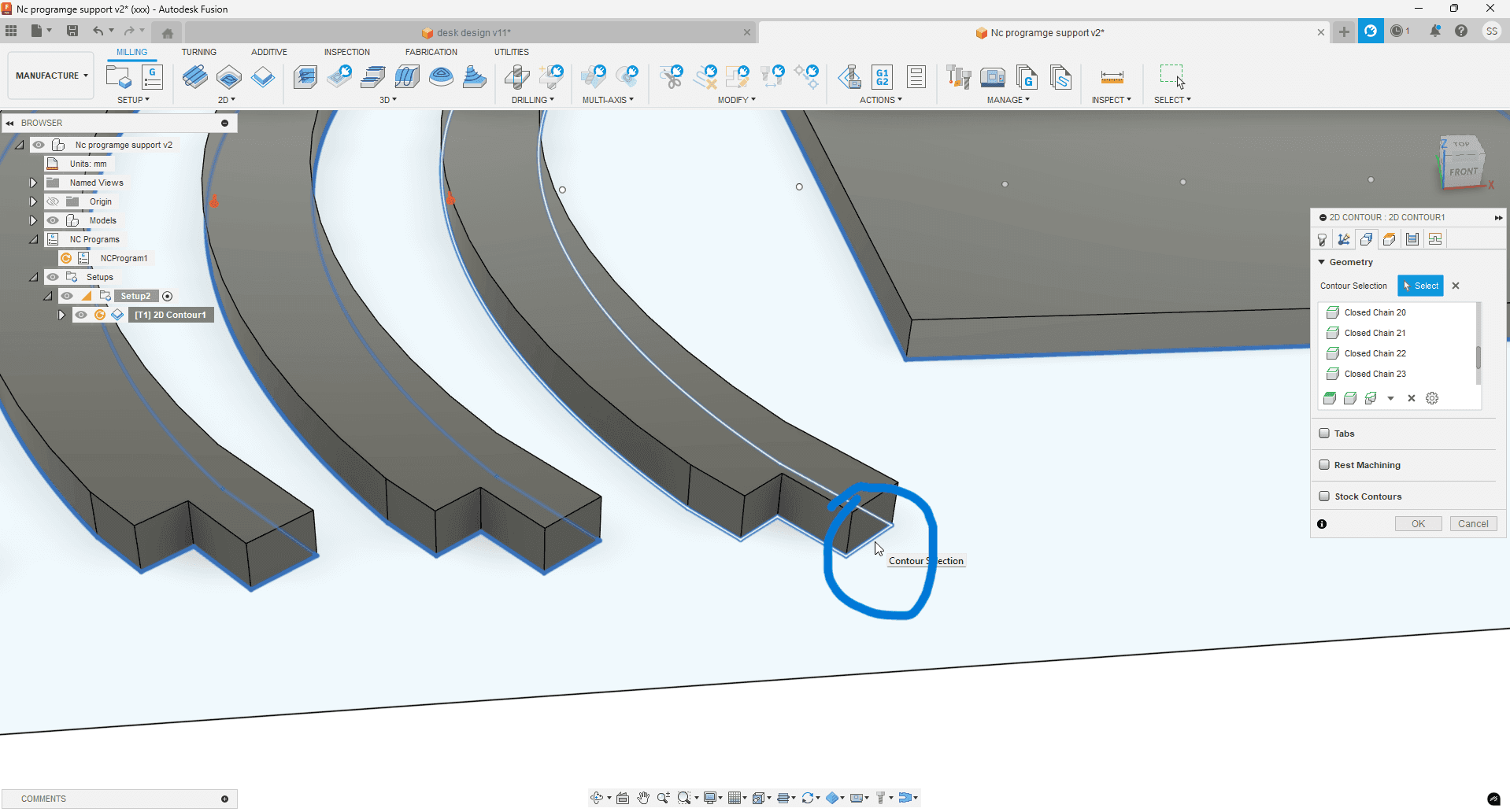
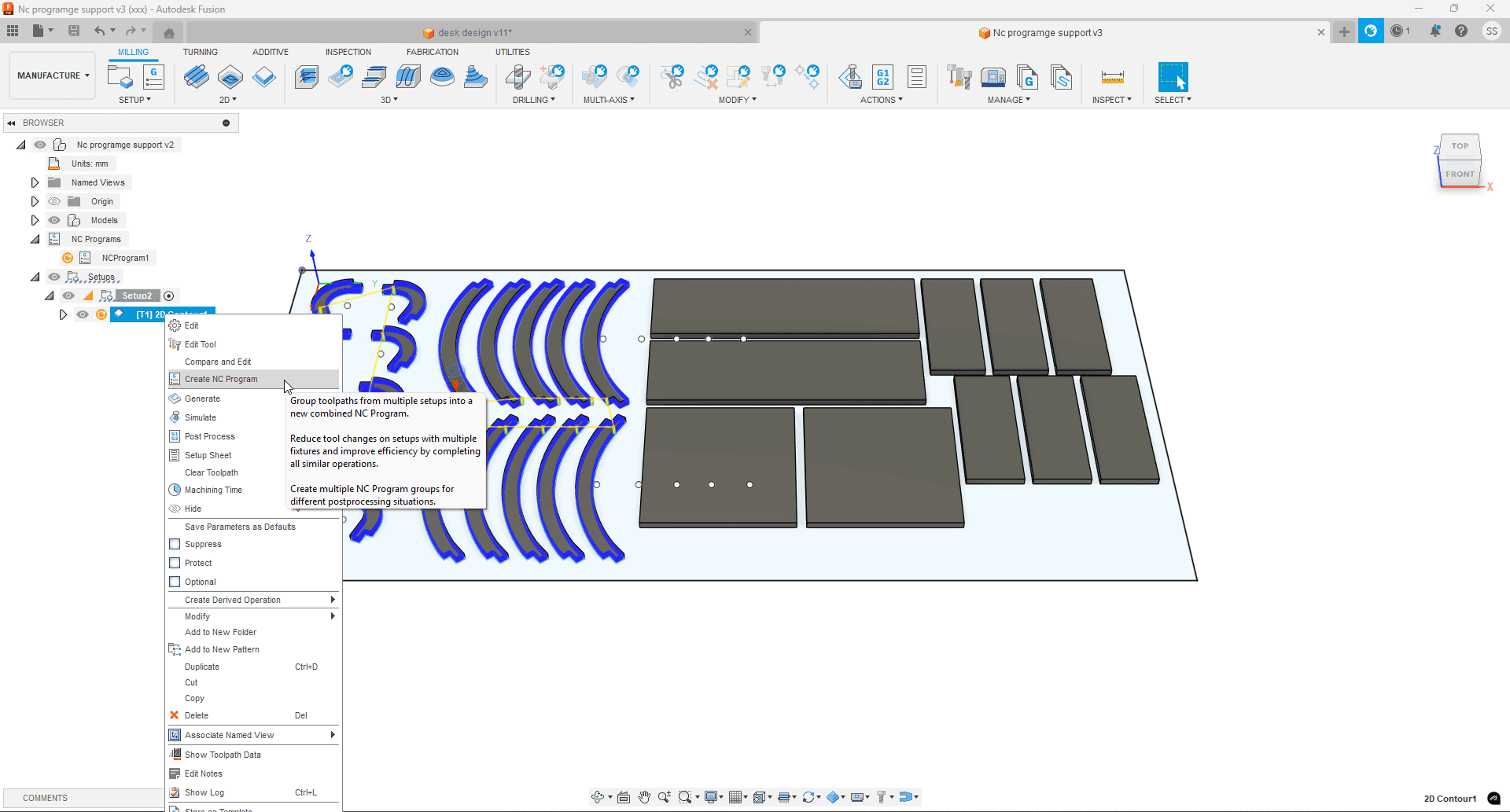
Toolpaths and NC programs were generated
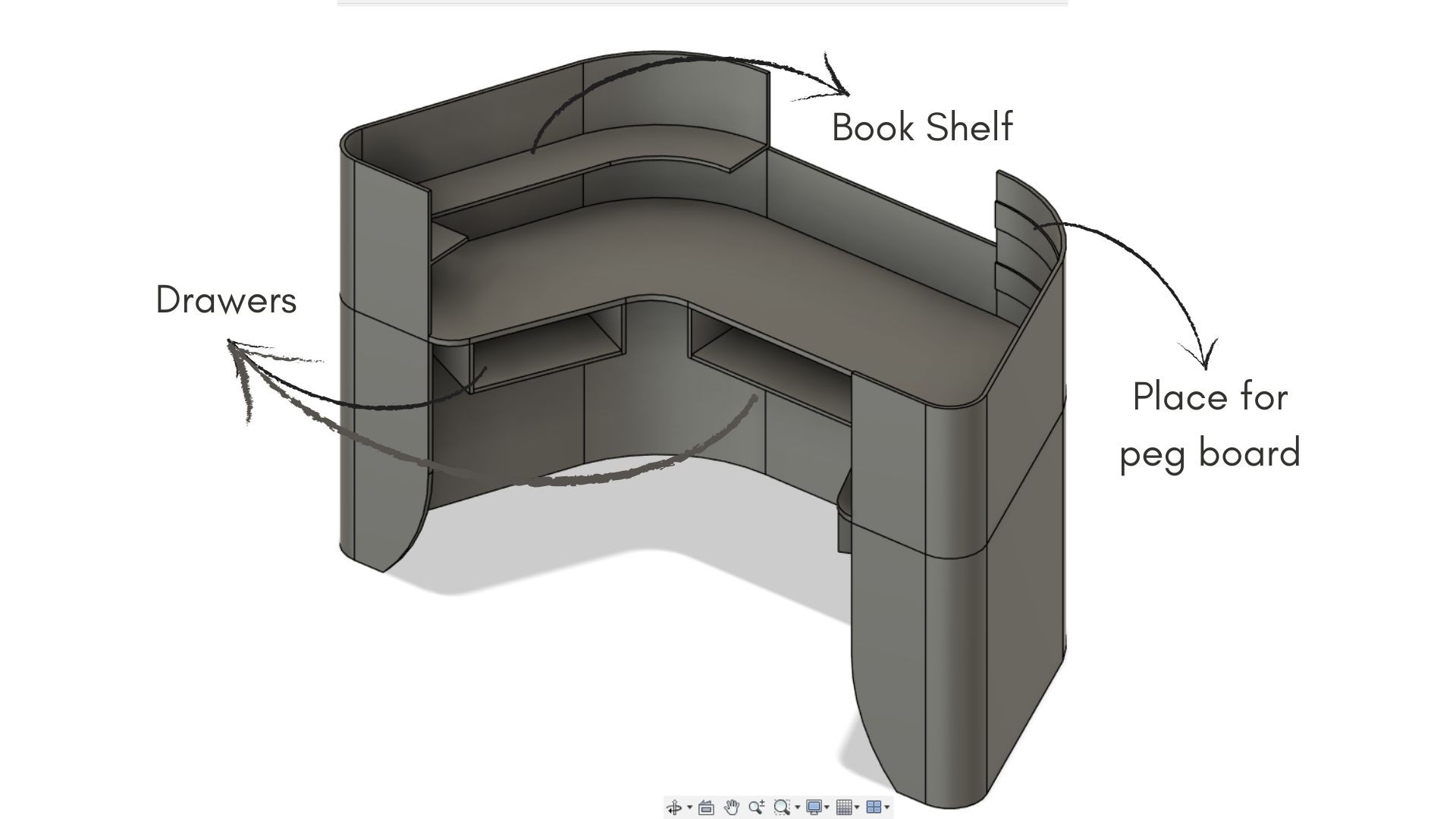
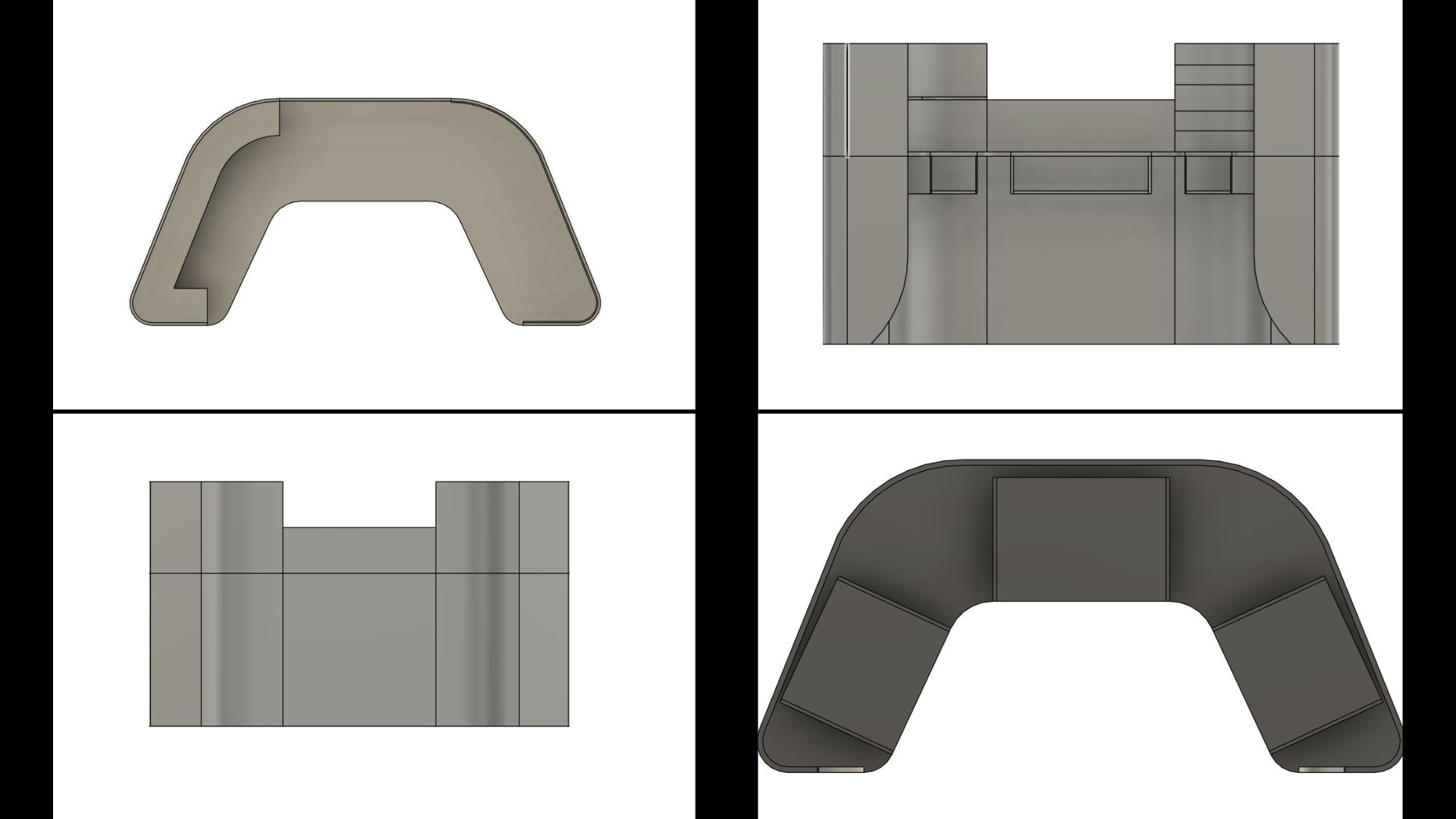
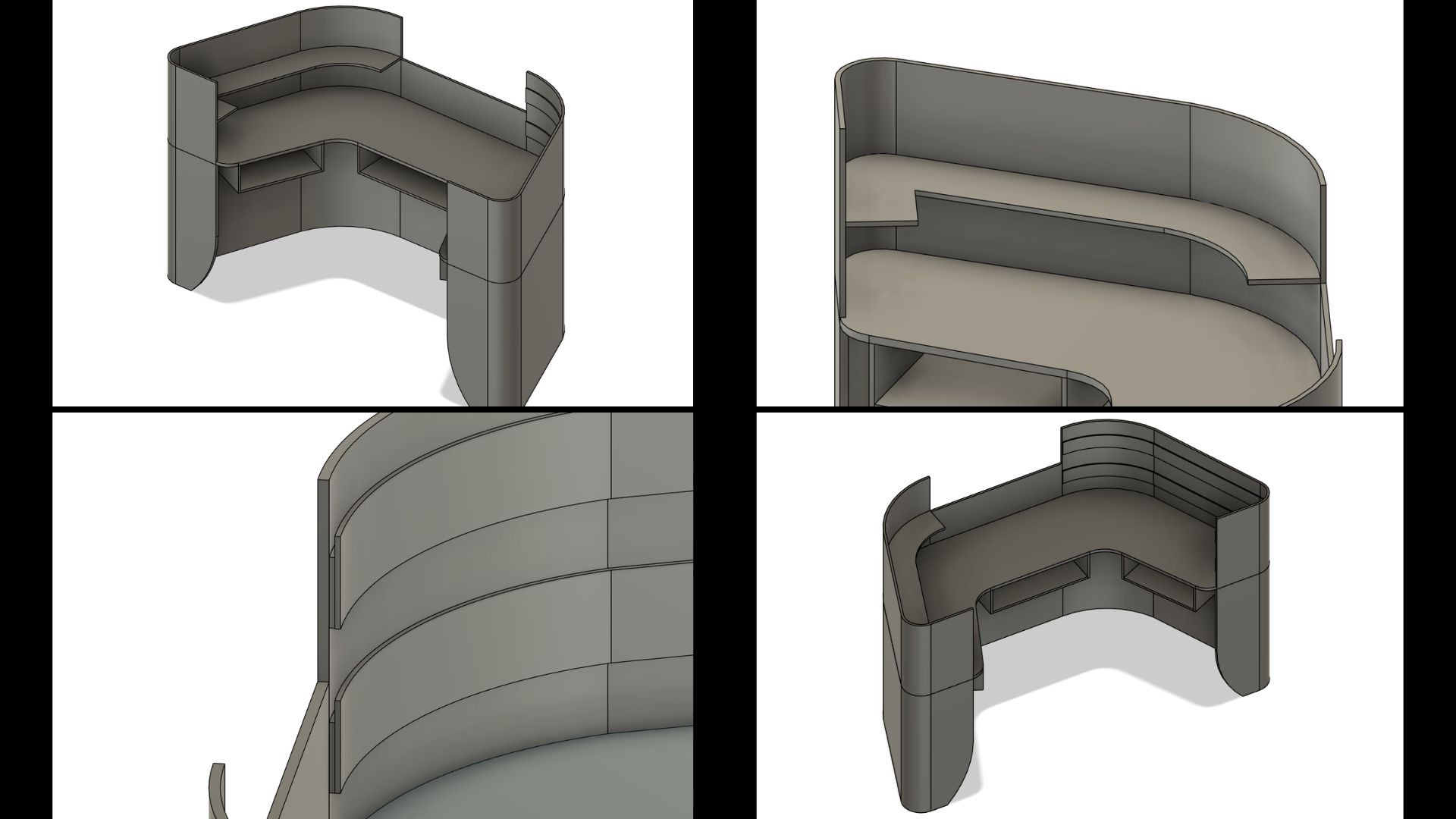
Challenge: Curved Structures
A key feature of the original design was the use of curved structural elements, intended to enhance both strength and visual identity.
To achieve this, I experimented with kerf cutting techniques to bend plywood. However, after multiple trials, the method did not produce successful or reliable results.
Adapting the Design
Instead of forcing the original idea, I chose to adapt the design based on fabrication limitations.
Curved structures were simplified
Strength was reintroduced using modular 18mm joints
The design became more practical to manufacture
This became a key learning moment —
design must evolve with constraints, not resist them.
Before fabrication, simulations were run to ensure:
Correct tool movement
No collisions or errors
Accurate cutting sequence
This ensured a smooth transition from digital model to physical production.
these were my NC Program setting which i did :
Storage & Functional Integration
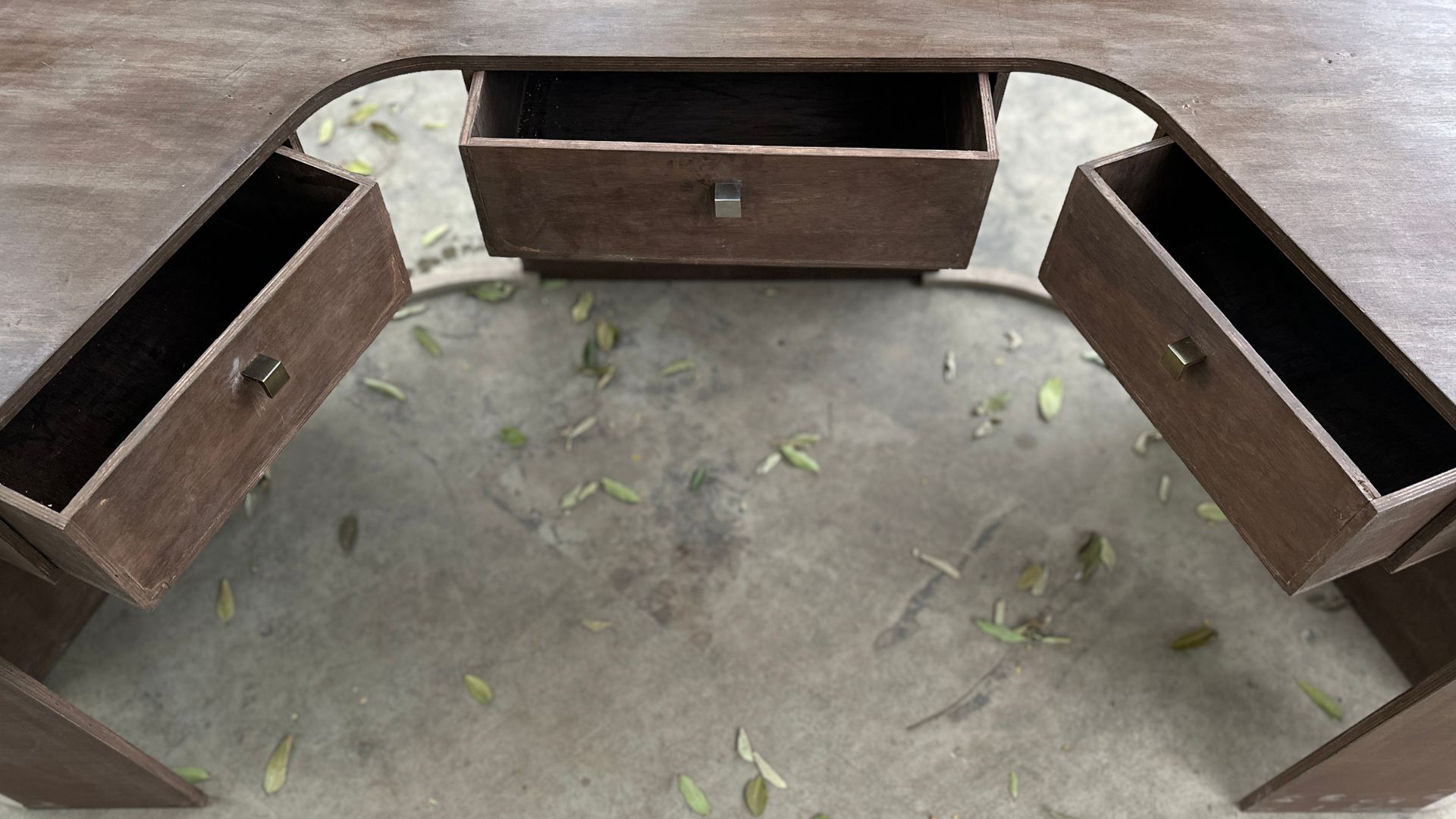
To support real usage, storage was integrated directly into the desk through drawers on three sides.
Made using 12mm plywood
Hand-cut and assembled
Installed beneath the tabletop
This ensured:
Easy access from multiple positions
Organized workspace
Clear leg space for comfort
The desk was designed as a complete system, not just a surface.
Fabrication & Assembly
All main structural components were CNC cut using 18mm plywood, ensuring precision and consistency.
Due to the size and weight:
Assembly required assistance
Parts were joined using Fevicol + nails
Alignment and stability were carefully maintained
This phase brought the project from digital accuracy to a physical, functional structure.
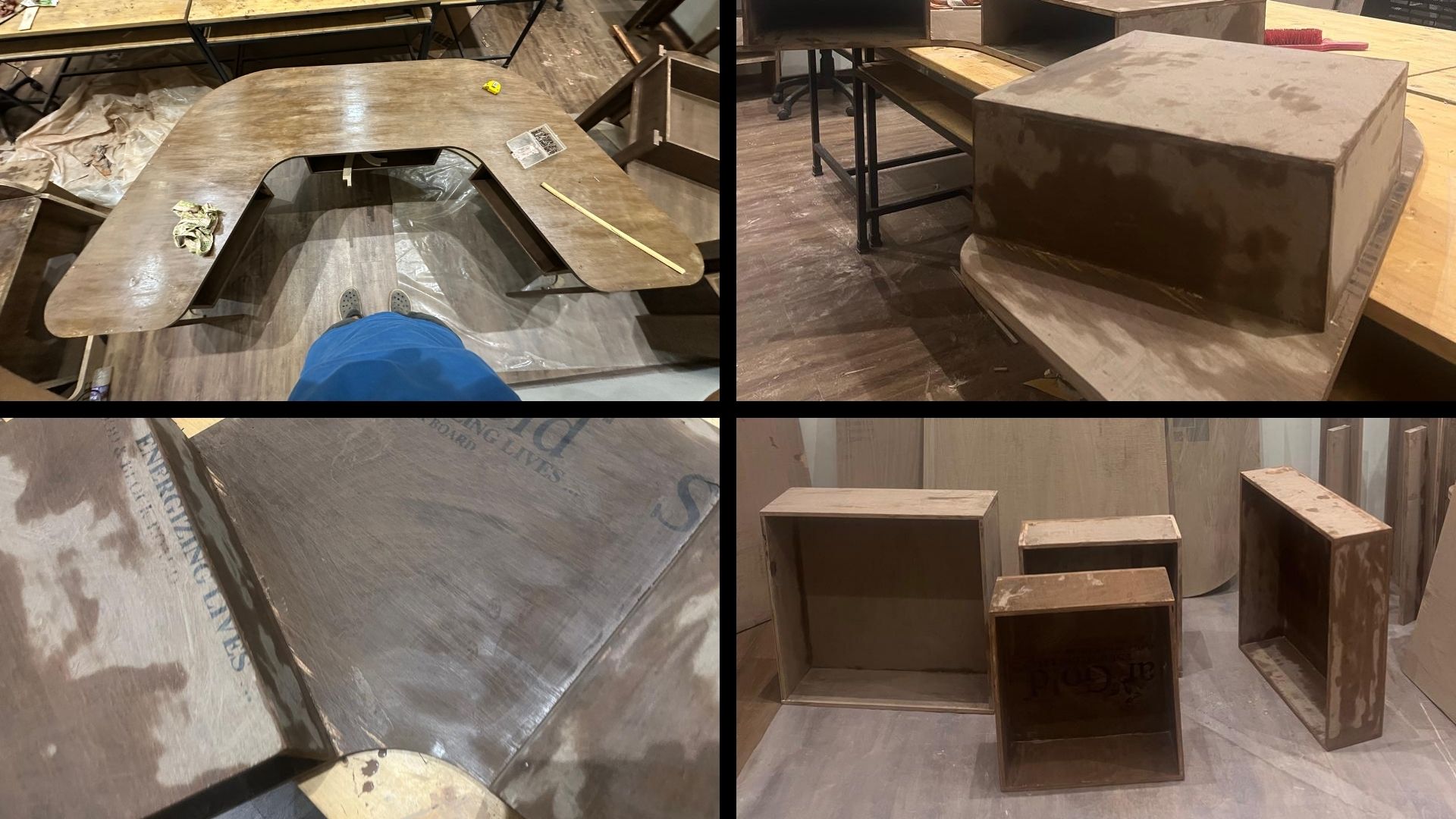
Finishing & Surface Treatment
The finishing process transformed the desk from a raw structure into a refined product.
The process included:
Sanding all surfaces
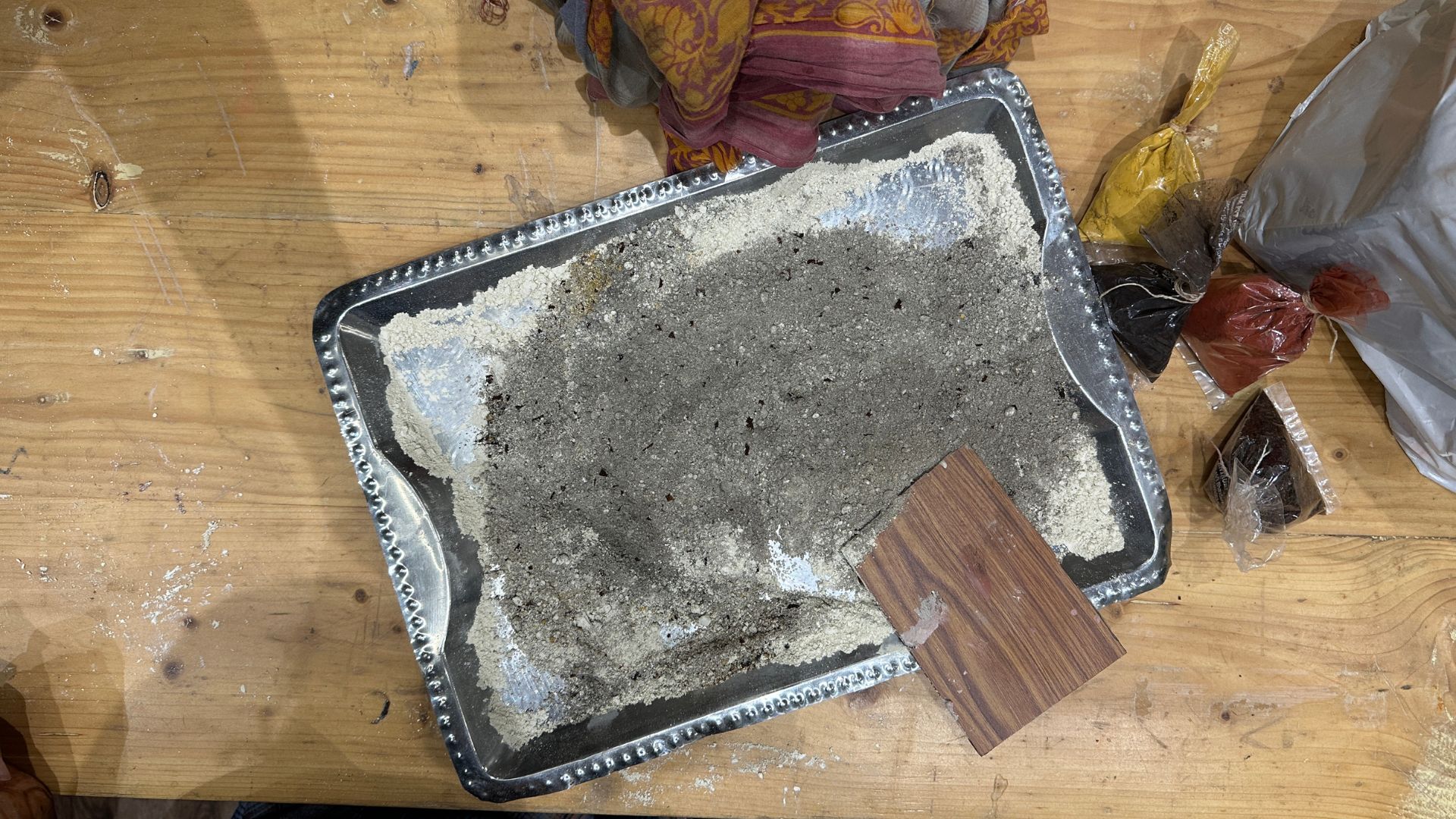
Applying putty (chalk powder + water)
Re-sanding for smoothness
Applying color coating (thinner-based mix)
Final sealing with touchwood polish
This improved both:
Surface quality
Overall visual finish
Final Adaptation
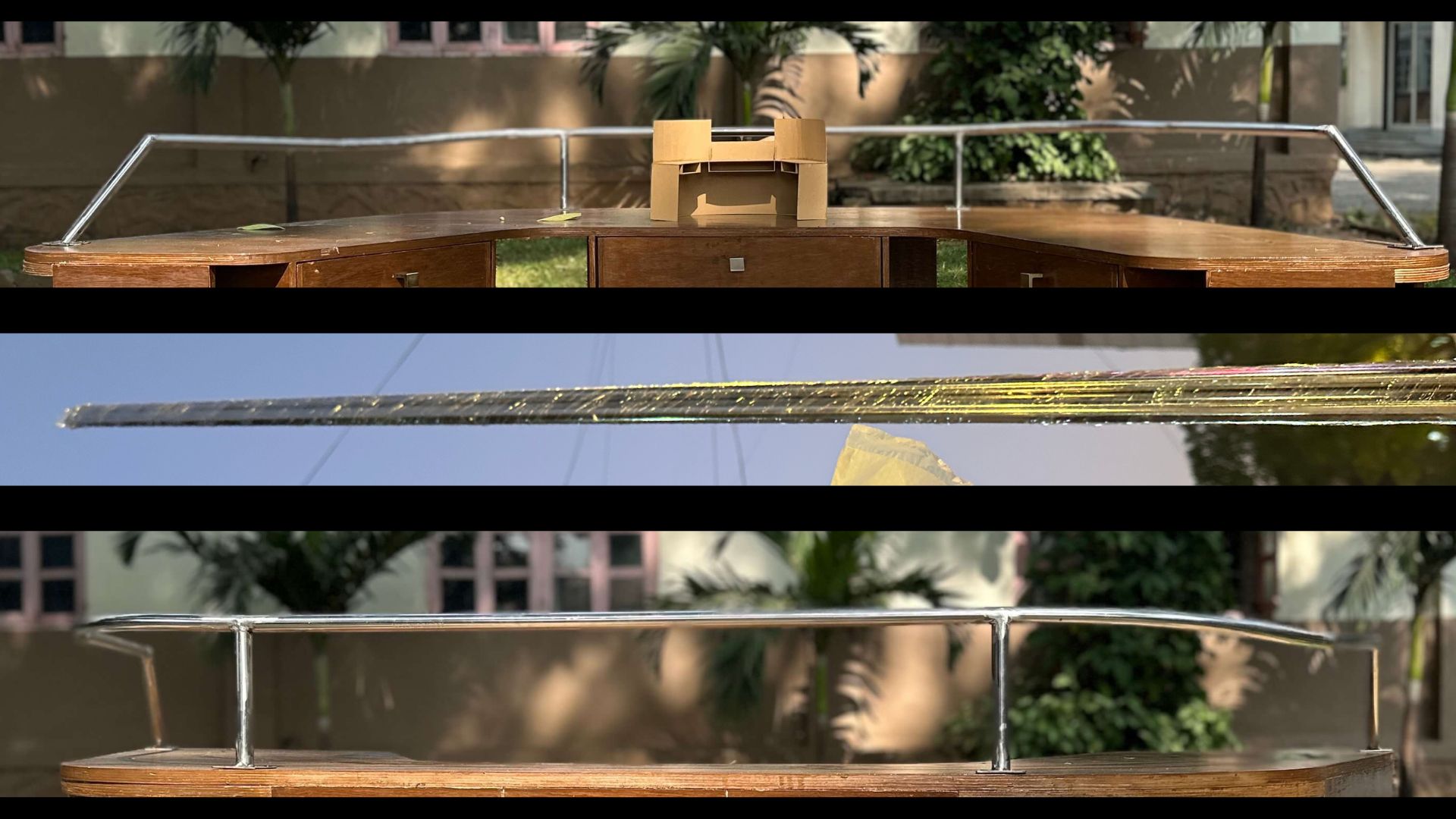
The original design included integrated features like a bookshelf and pegboard system. However, due to execution challenges, these were reinterpreted.
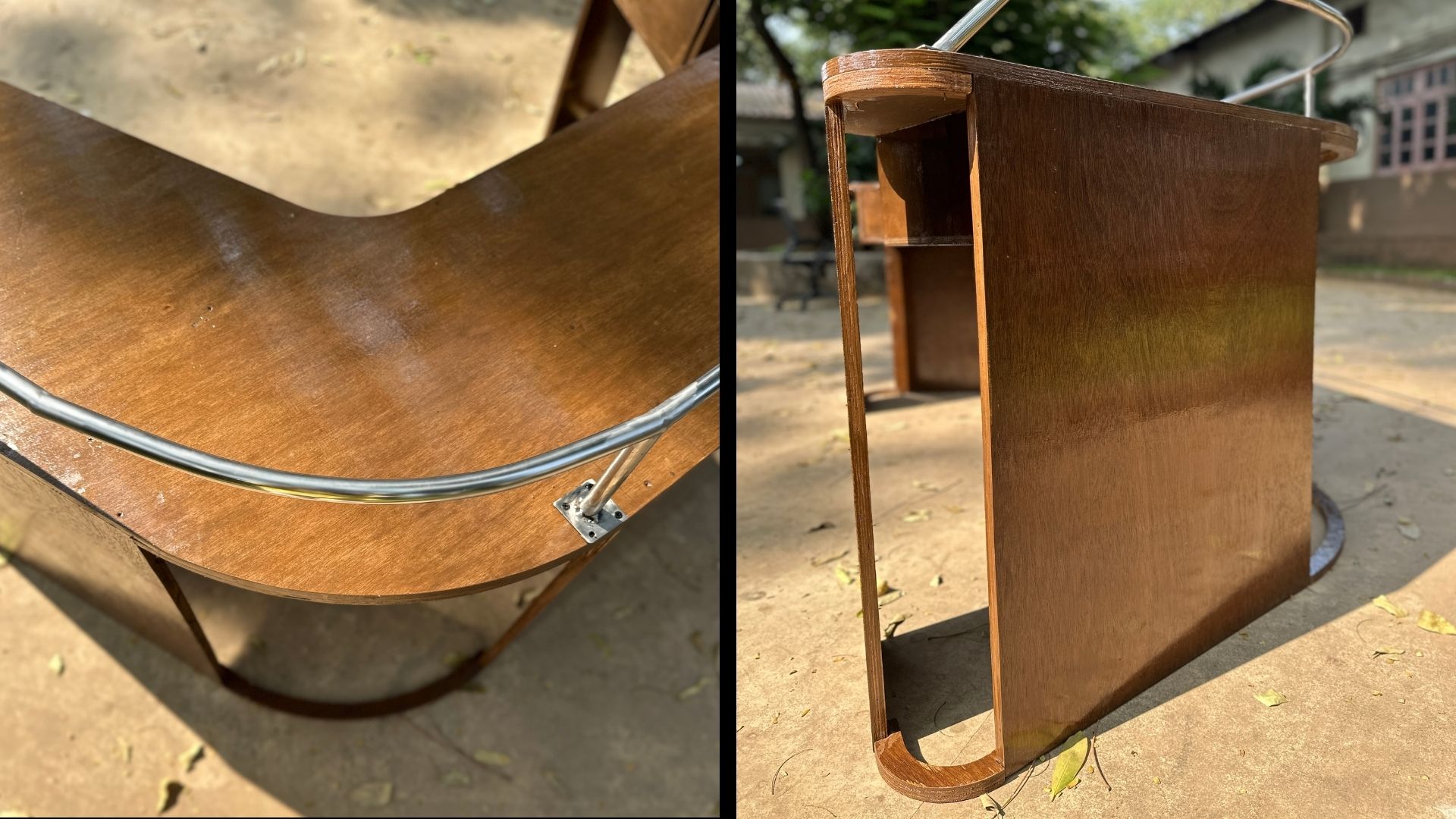
A metal railing system was introduced instead:
Created using pipe bending and welding
Fixed onto the tabletop
Allows flexible placement of accessories
This maintained functionality while simplifying the build.
01
02
03
04
05