Turning classroom littering into a playful, engaging experience through design
00
problem
While researching classroom environments, one issue kept repeating itself students were littering despite having dustbins nearby. At first glance, it looked like a discipline issue, but deeper observation revealed something else. Students naturally tend to crumple paper and throw it rather than walk up to a bin. The system wasn’t designed for how they actually behave. Key observations: * Most classroom waste is paper (scraps, rough sheets, wrappers) * Dustbins are present but ignored or underused * Waste disposal feels like a boring, passive task - The real problem wasn’t the absence of bins, - It was the lack of engagement with them
solution
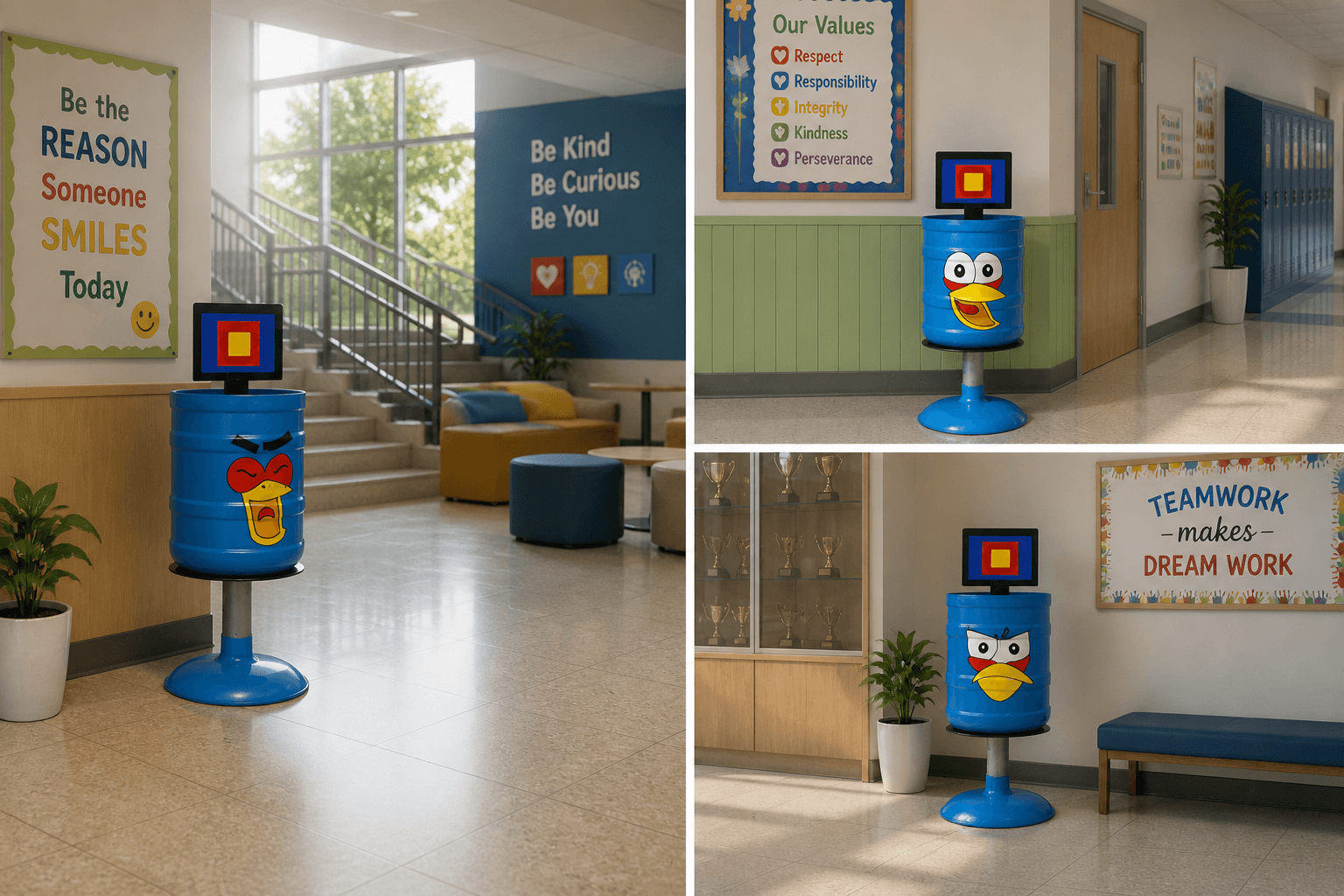
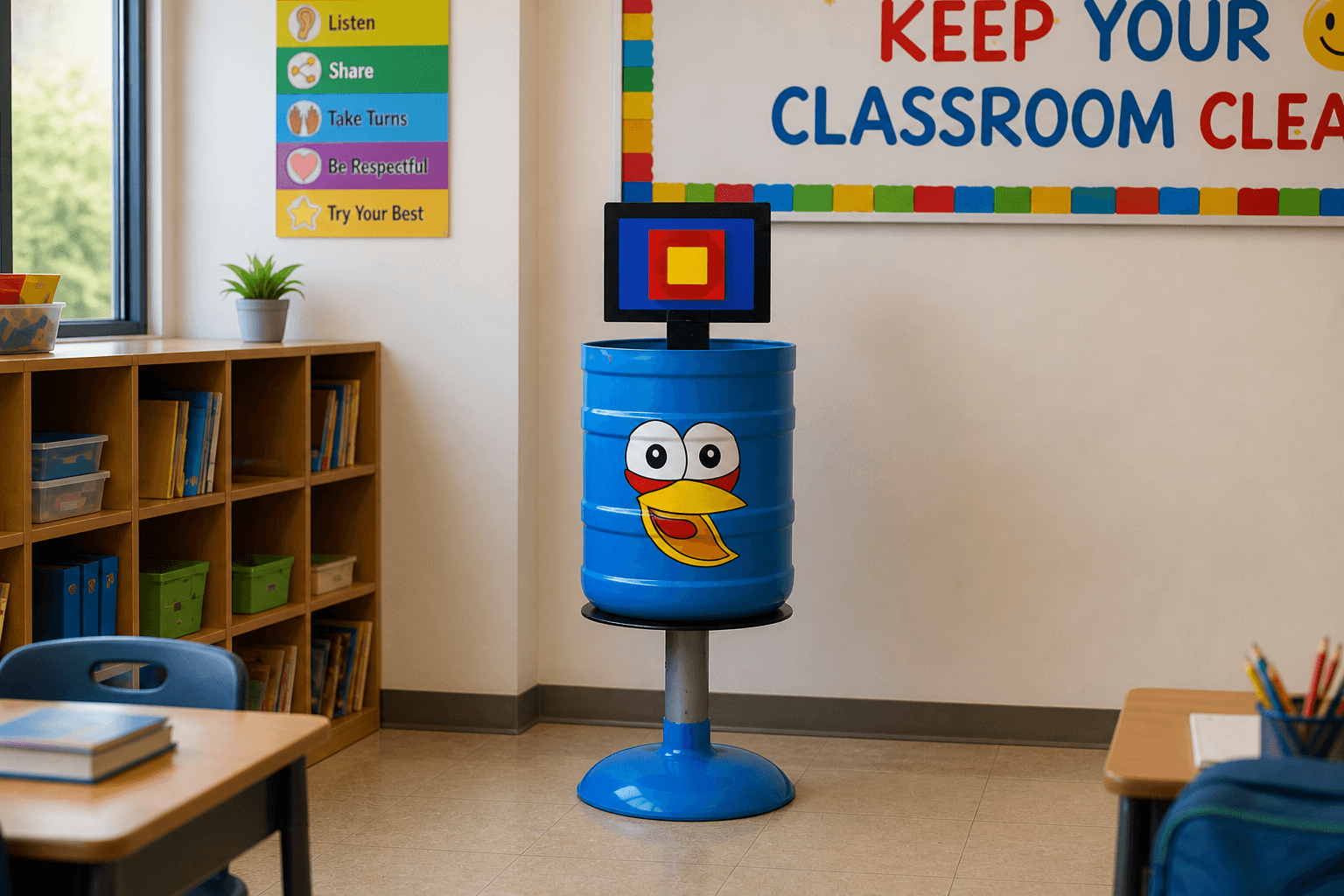
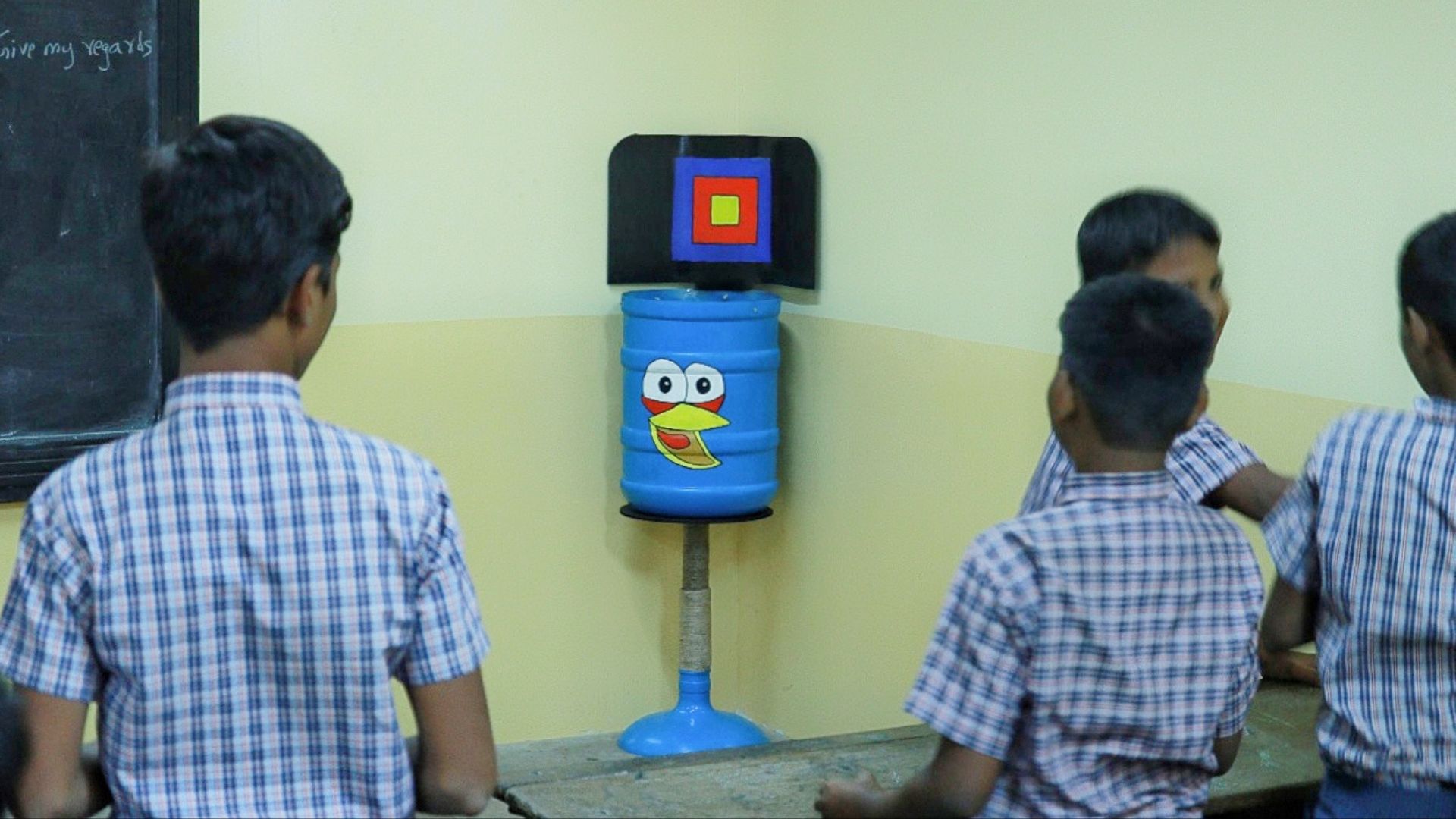
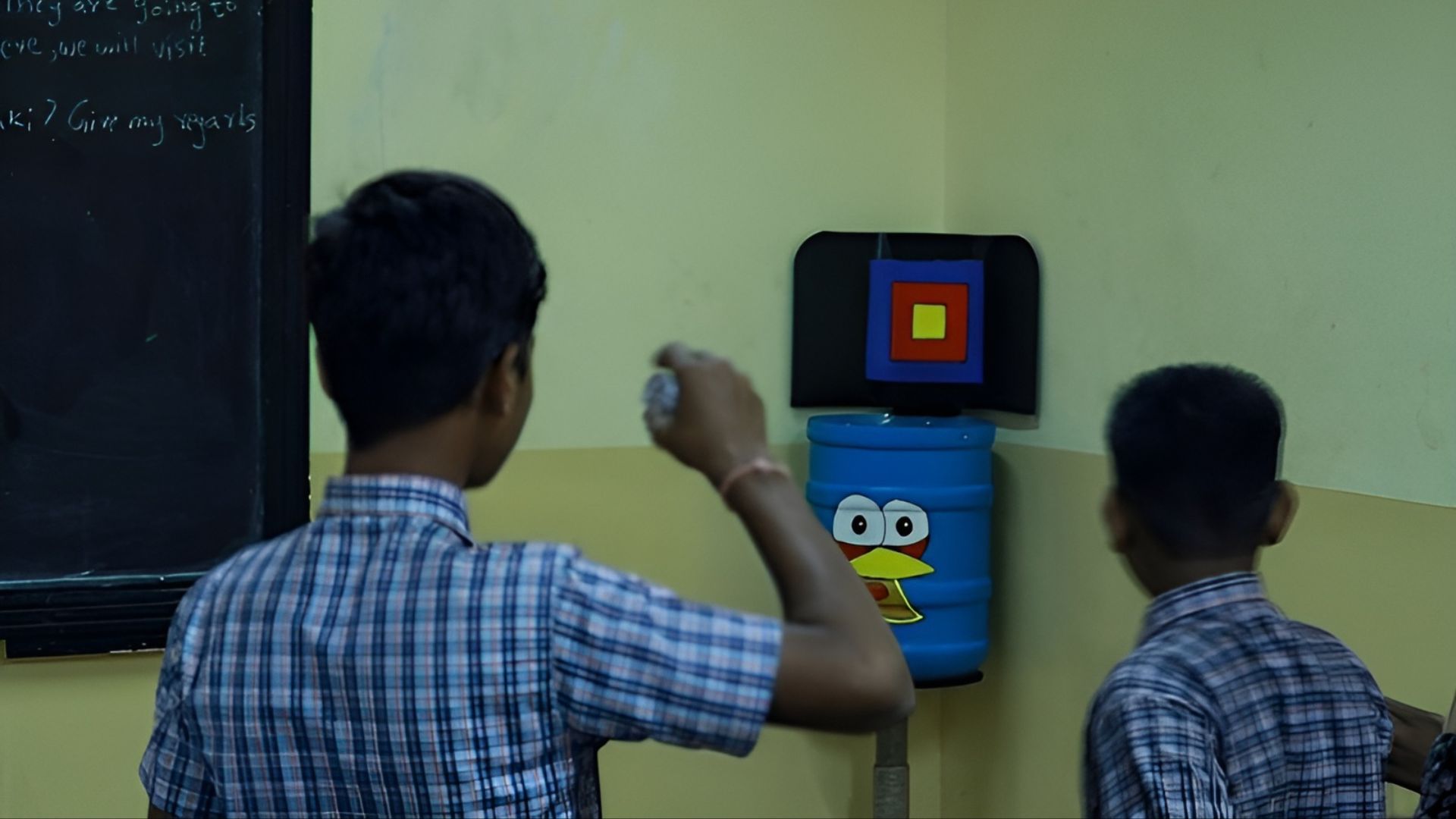
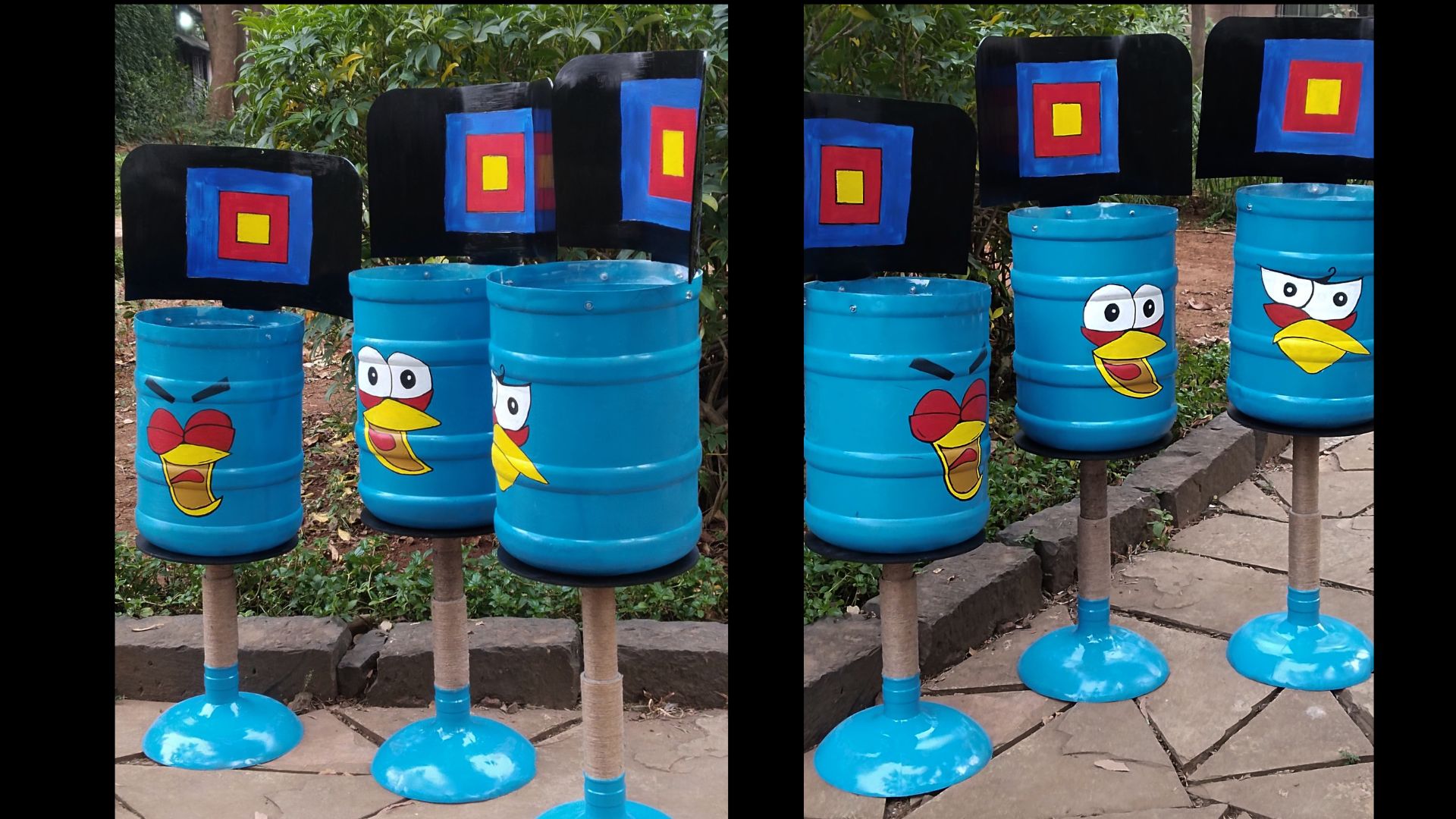
Instead of forcing better behavior, we designed around existing behavior. ANGRYBINS turns dustbins into targets something students can aim at. By introducing a target board and playful character design, the act of throwing waste becomes fun and intentional. What changes with this approach: * Students aim instead of ignore * Throwing waste becomes a game-like interaction * The bin becomes visually and emotionally engaging - We didn’t try to stop the behavior - We redesigned the experience around it
Story
This project started as a research exercise, but it quickly became more about understanding human behavior than just solving a problem.
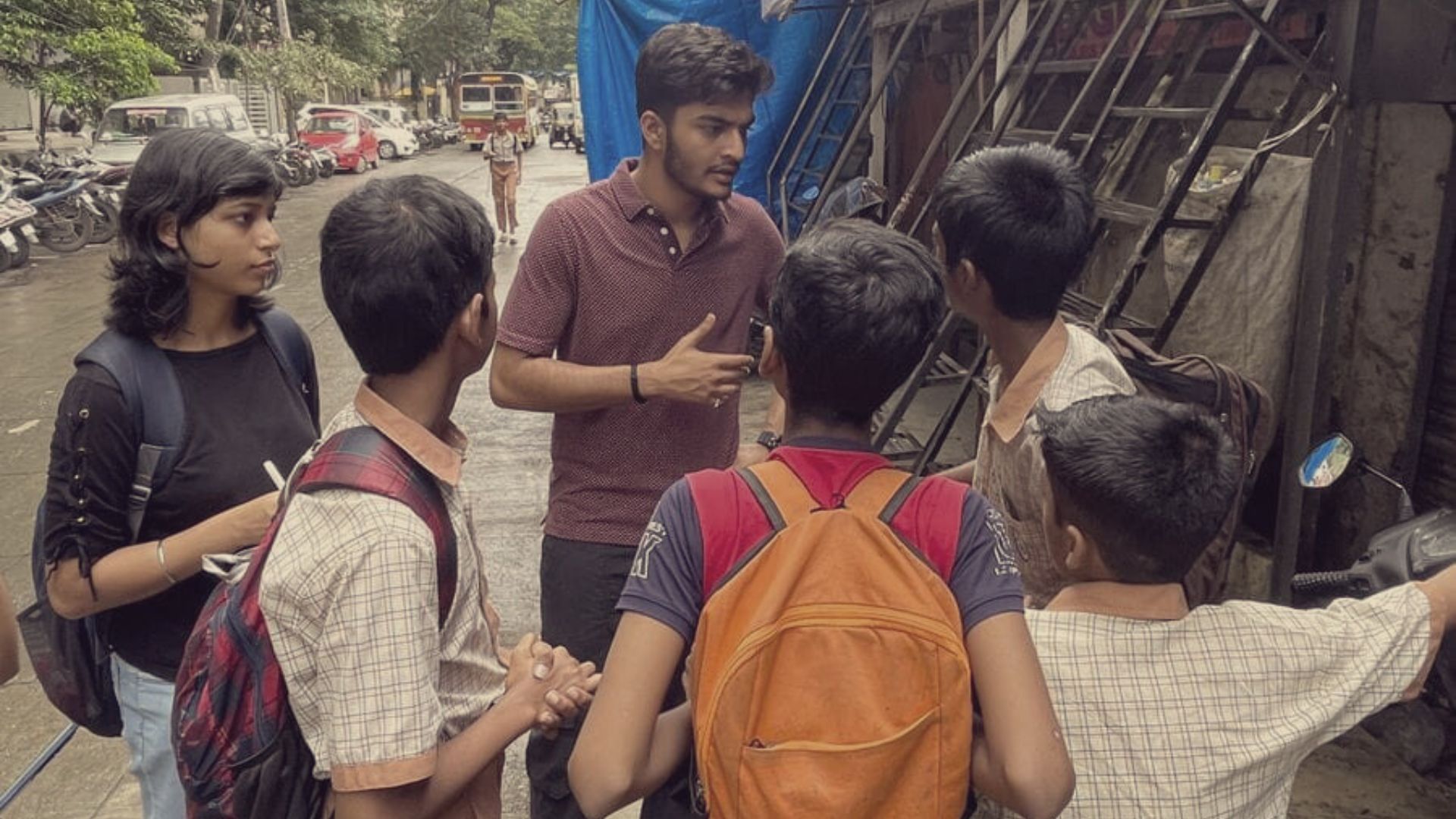
We spent time inside classrooms observing small, everyday actions how students sit, interact, and most importantly, how they deal with waste. One thing stood out clearly: students don’t walk to the bin, they throw.
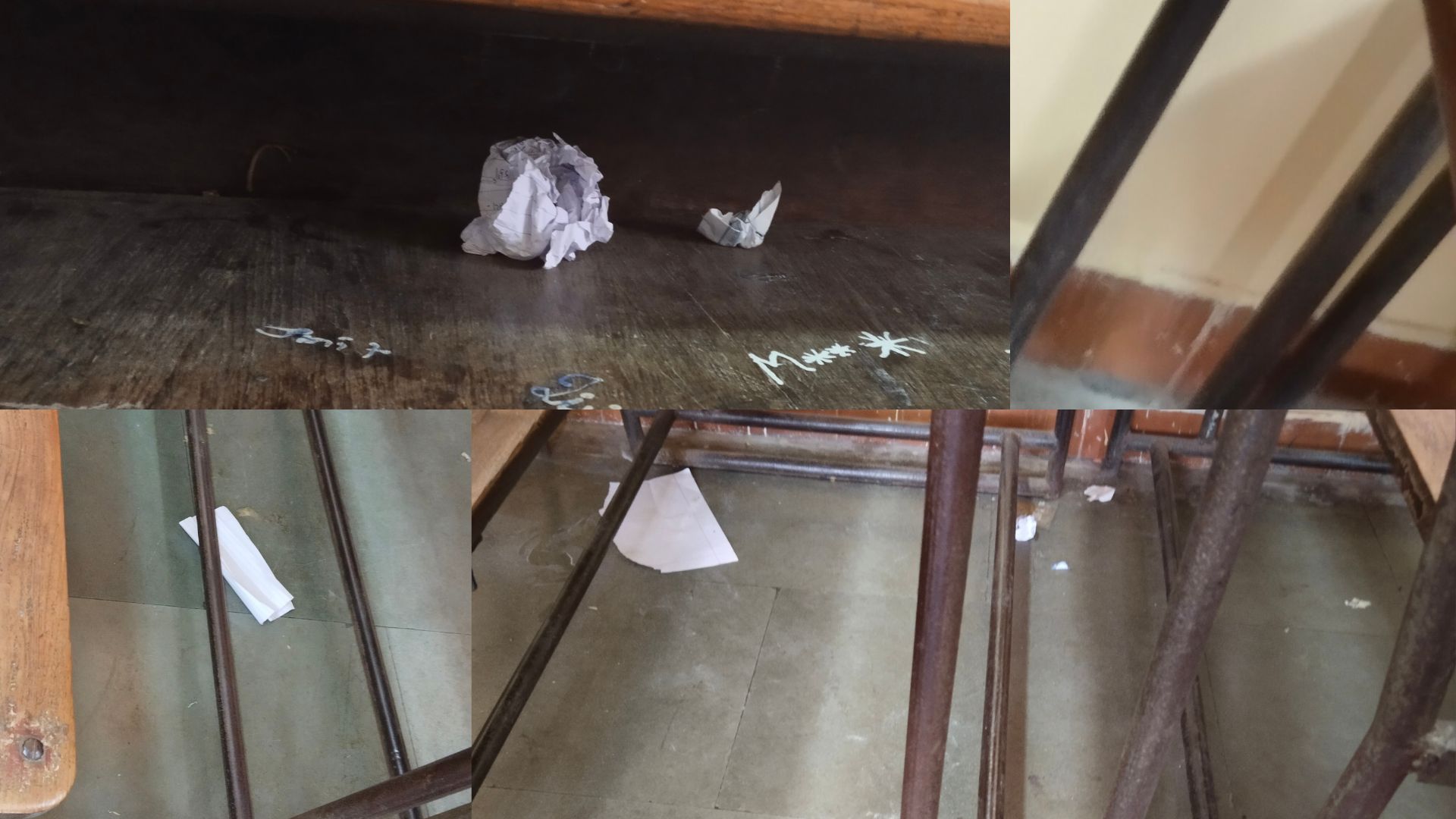
That insight completely shifted our thinking.
Instead of correcting that habit, we asked — what if we design for it?
That’s where ANGRYBINS came in.
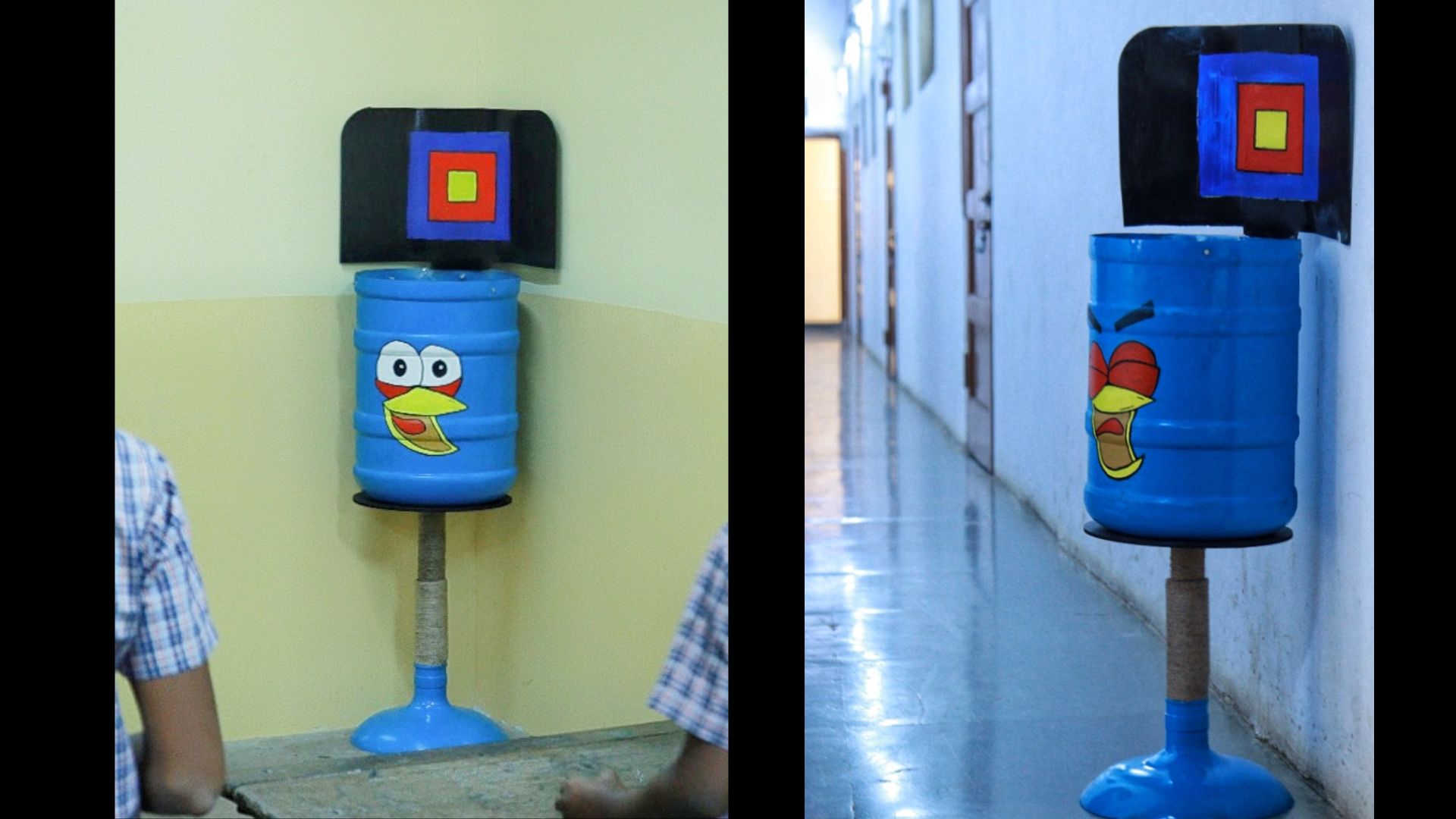
By turning the bin into something you aim at, the interaction becomes natural, fun, and almost instinctive. The addition of expressive Angry Birds-inspired faces made the bins feel less like objects and more like participants in the space.
year
2023
timeframe
2 weeks
tools
Manual fabrication, PVC pipes, Fevicol bonding, jute rope binding, painting
category
Upcycling
Process
The making process was driven by both function and sustainability.
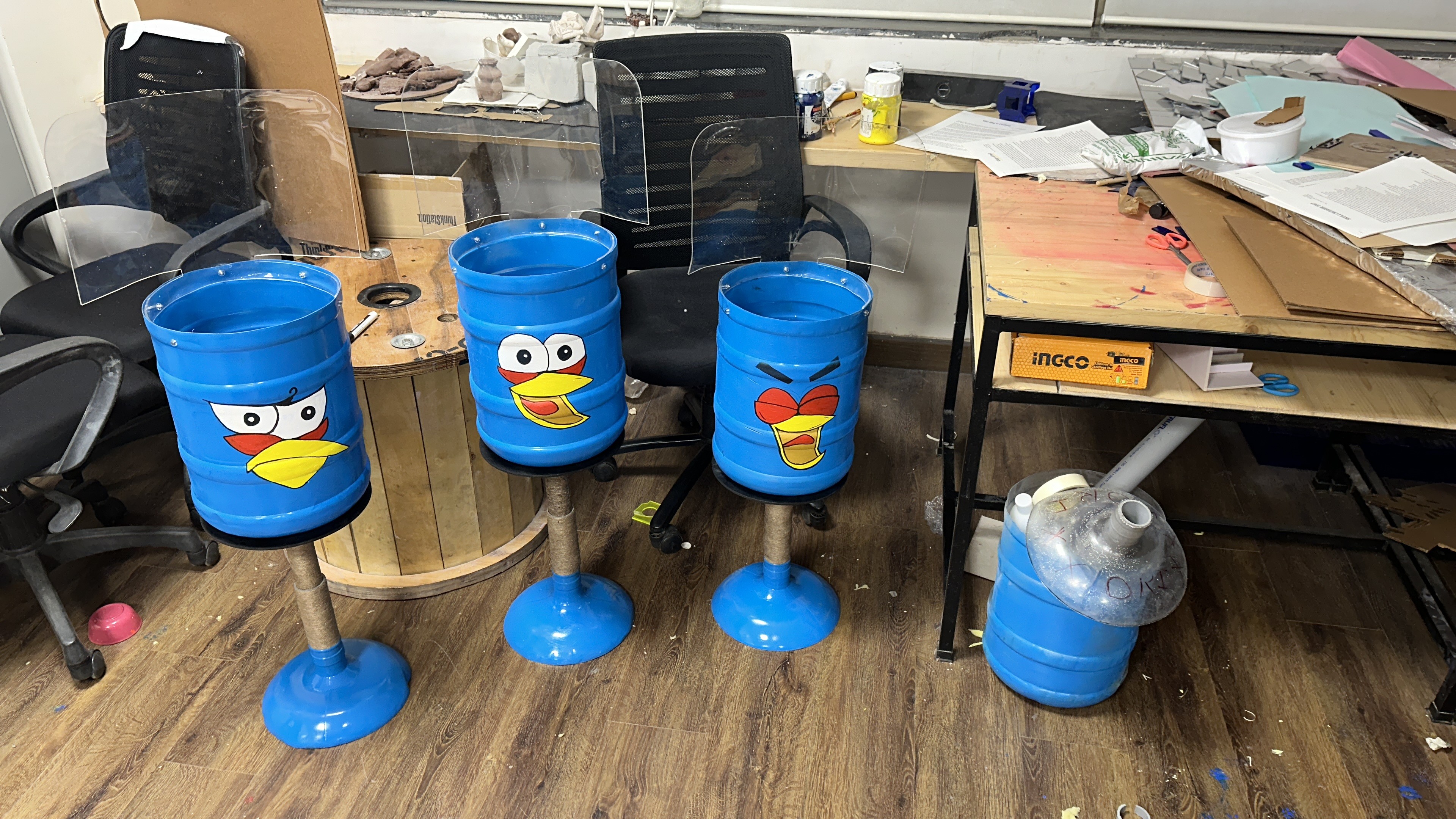
We started by sourcing discarded 20L water cans, which are usually thrown away once damaged. These became the core structure of the bins. The top portion was cut to create a wider opening, making it easier to throw waste inside, and the removed part was reused as the base.
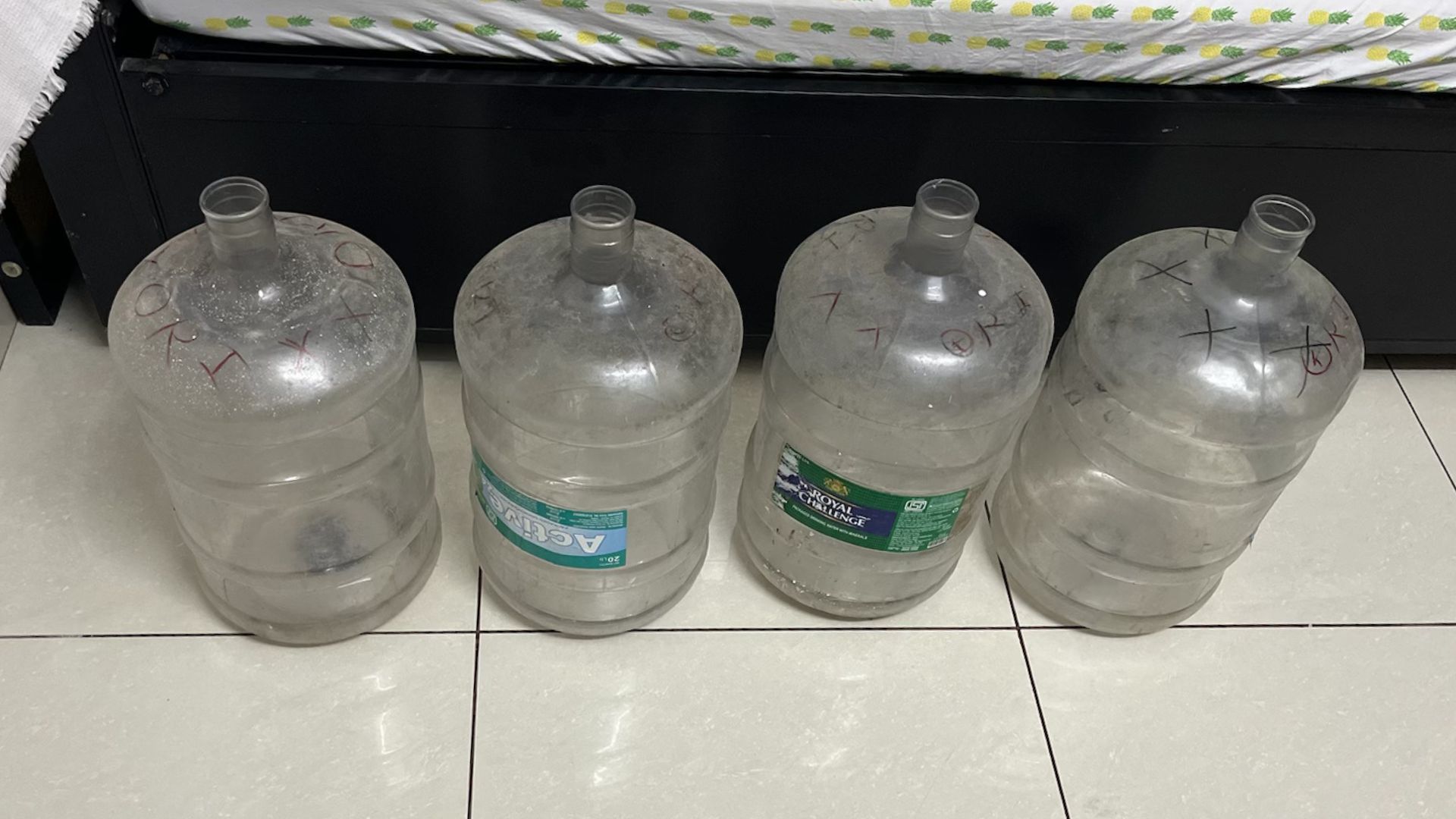
To elevate the bins and make them more visible, we used waste PVC pipes. Different pipe sizes were combined and reinforced using Fevicol and tightly wrapped jute rope, creating a strong and stable joint while allowing slight height flexibility.
Material decisions:
20L water cans → main bin body
Cut top → reused as base
PVC pipes → structure and height
Fevicol + jute rope → binding and strength
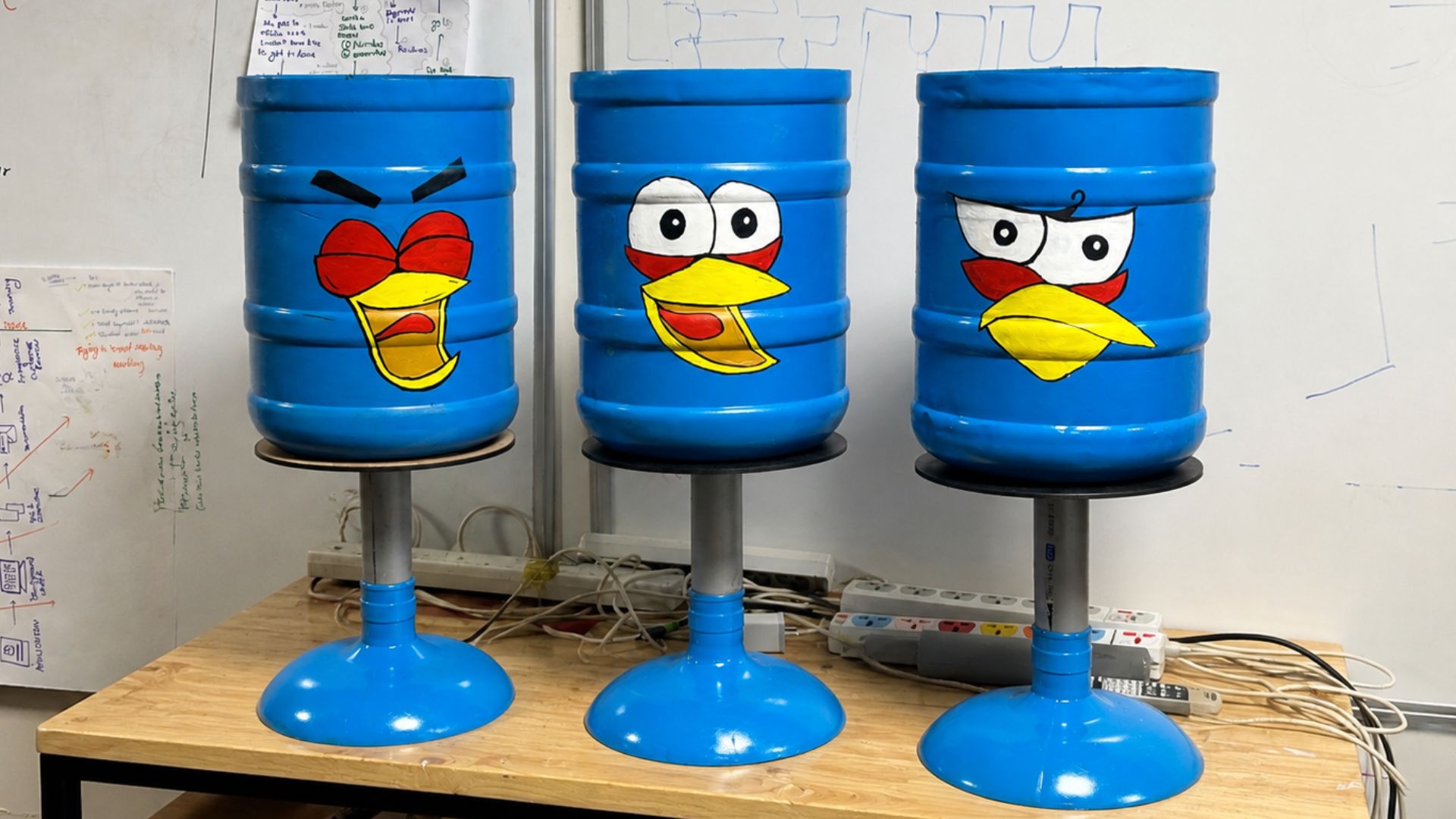
Once the structure was ready, we painted the bins with expressive Angry Birds-inspired faces, making them visually engaging and relatable.
The final addition was the target board. Positioned above the bin and slightly aligned with the opening, it acts like a guide ensuring that even imperfect throws are directed into the bin.
Outcome
The result is a set of interactive bins that actively invite participation.
They are not just placed in the classroom — they create an experience around them.
What the design achieves:
Encourages active waste disposal
Makes cleanliness engaging rather than forced
Improves accuracy of throwing waste
Demonstrates practical upcycling
01
02
03
04