A collaborative mechanical labyrinth where movement, coordination, and teamwork transform a simple maze into a shared physical experience.
00
problem
Most interactive games today are centered around screens and individual interaction, limiting physical collaboration and shared experiences between users. During SIIF, the goal was to create an installation that could naturally attract people, encourage participation, and create engagement through physical interaction rather than digital interfaces. The challenge was to design a game that: * Encouraged teamwork and communication * Felt mechanically interactive and intuitive * Could withstand continuous public use * Created curiosity from a distance * Allowed replayability through interchangeable gameplay * Could be fabricated primarily through hands-on woodworking processes
solution
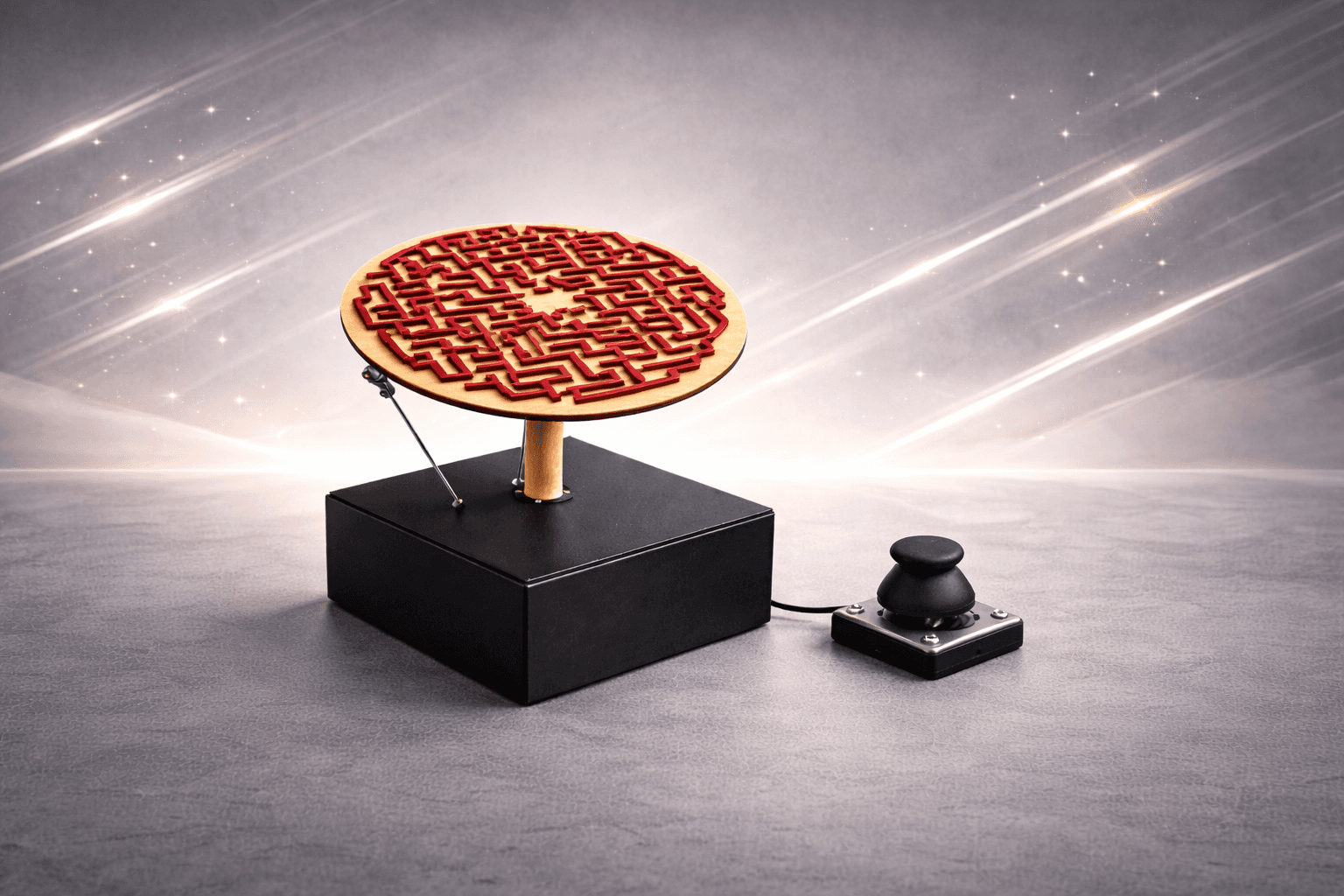
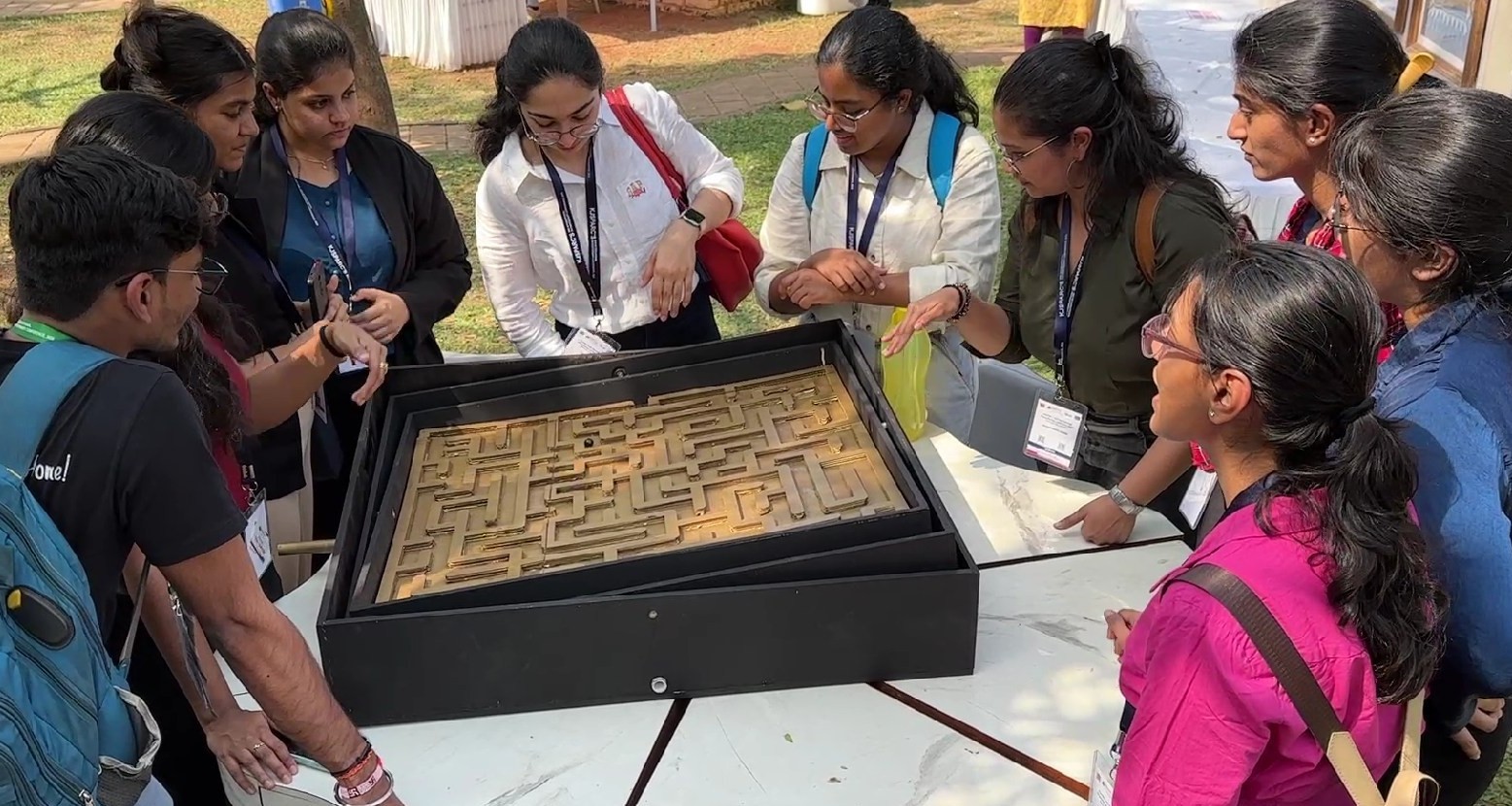
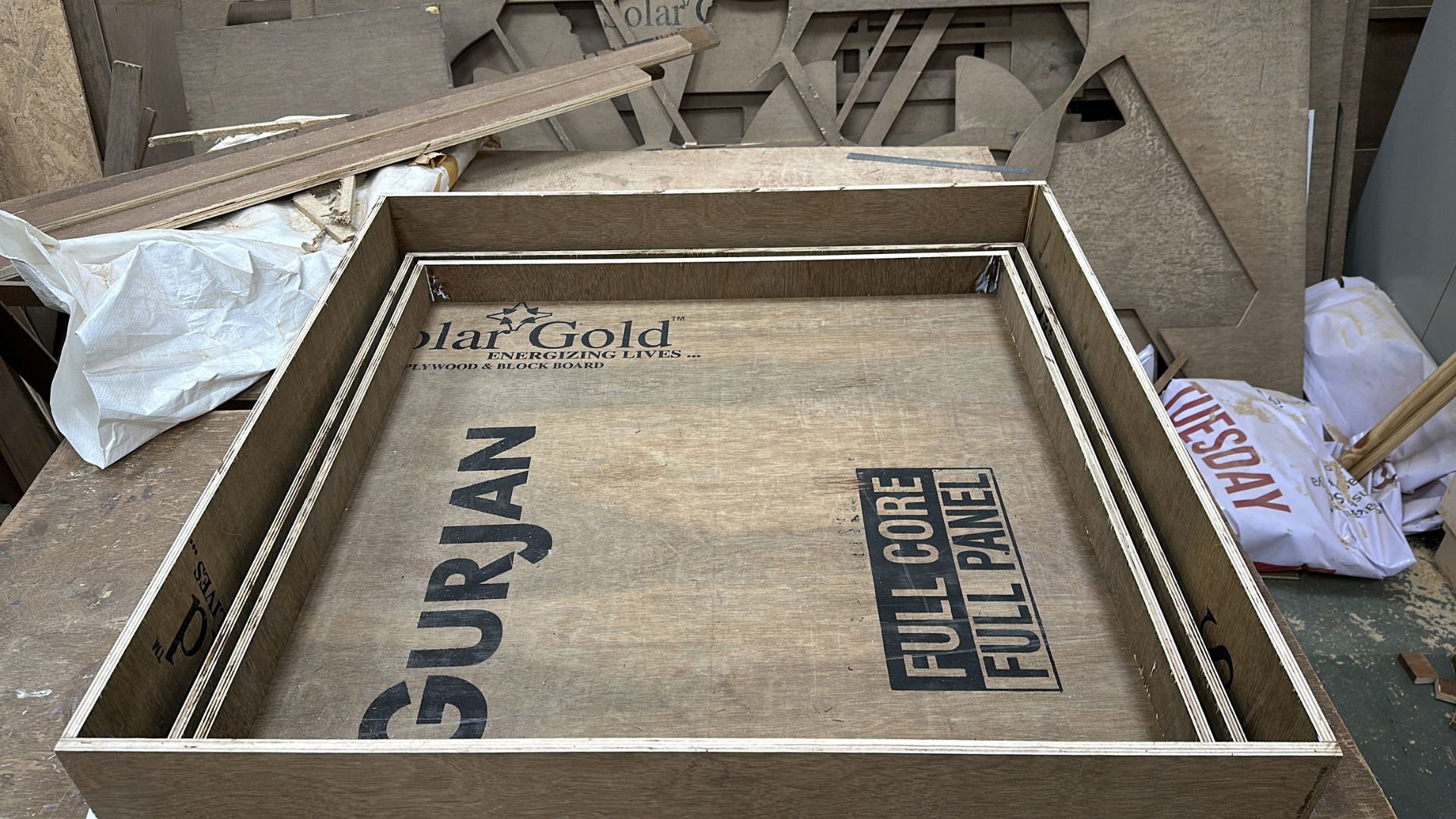
MAZEIT 2 was developed as a fully mechanical collaborative labyrinth system that transforms maze-solving into a coordinated group activity. The structure consists of: An external plywood housing Two nested moving frames A modular interchangeable maze platform Dual-axis mechanical controls Each control rod manages movement across a separate axis, requiring two users to coordinate their actions simultaneously in order to guide the ball through the maze successfully.
Story
MAZEIT 2 was created as an interactive mechanical installation that transforms a traditional maze into a collaborative physical challenge. Instead of giving complete control to a single user, the system intentionally divides movement control between two participants.
This creates:
Communication
Coordination
Shared problem-solving
Real-time teamwork
The project focuses on how simple physical mechanics can create meaningful human interaction without relying on electronics or screens.
year
2025
timeframe
1 week
tools
Fusion 360, Circular Saw, Laser Cutter, Hand Tools, Spray Paint, Sanding & Finishing Tools
category
Interactive Installation
Design Intent
The aim was to design an installation that people would not only play, but also gather around and interact with socially.
Unlike standard tabletop maze games, MAZEIT 2 was designed at a larger scale to:
Increase visibility during SIIF
Encourage multiple users to participate together
Create a physically immersive interaction
Turn gameplay into a public collaborative experience
The exposed movement mechanism and large rotating control rods made the interaction immediately understandable and visually engaging.
Mechanism Development
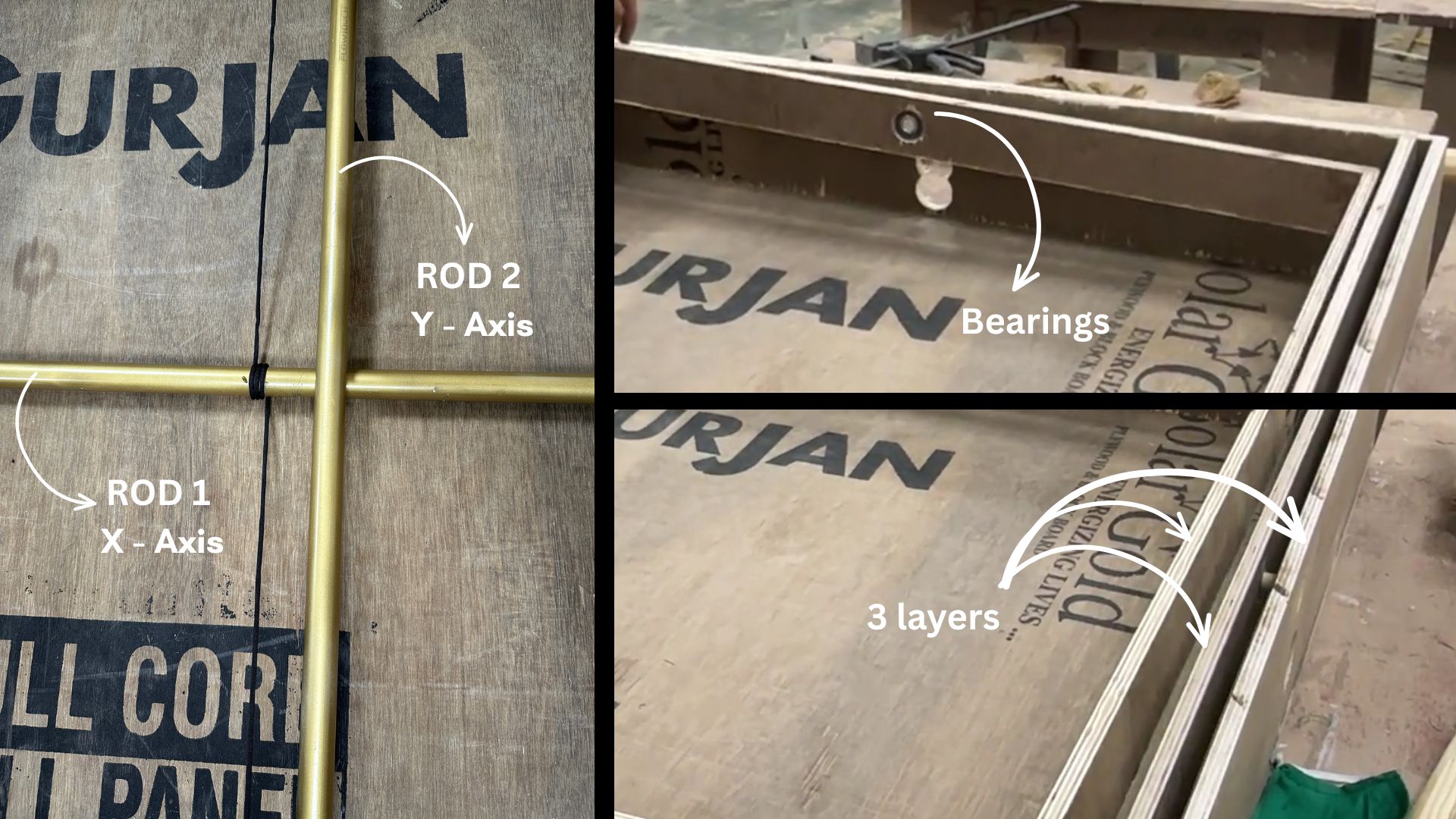
The core of the project is the dual-axis nested frame mechanism.
The structure contains:
An outer stationary frame
A first moving frame controlling one axis
A second internal frame controlling the opposite axis
A floating maze platform mounted within the system
Two control rods positioned on adjacent sides are connected mechanically to these moving frames. Rotating one rod tilts the maze horizontally, while the second rod controls vertical tilt.
This allows the ball to move freely in multiple directions while requiring two players to coordinate movement together.
Maze Development
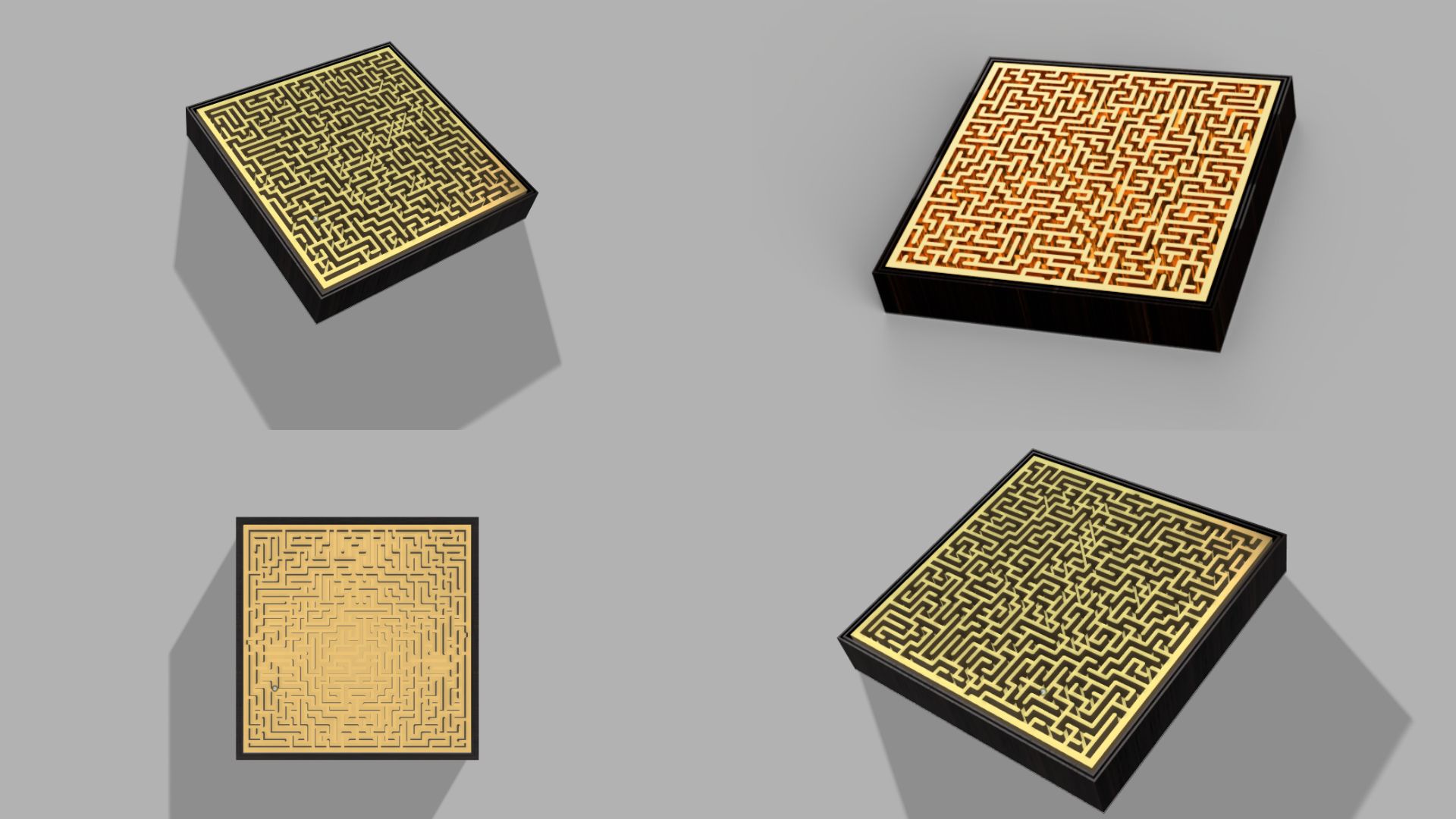
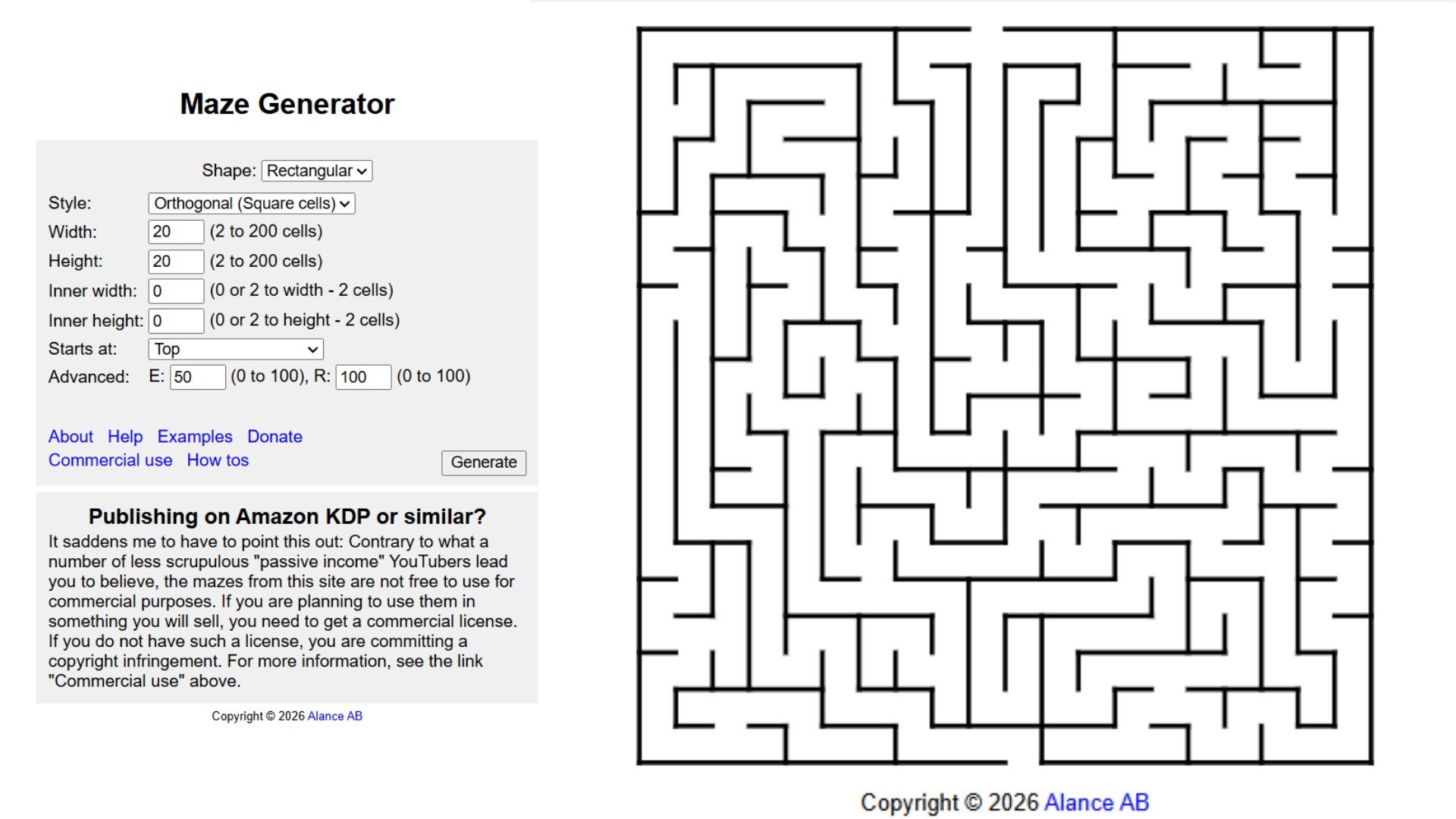
The maze layouts were digitally generated and tested to create balanced navigation paths that were challenging yet playable within a public interactive environment.
The maze surface was fabricated by:
Laser cutting layered cardboard sheets
Stacking the layers to create depth and wall height
Mounting the final maze into the moving frame system
One of the key features of the project was modularity.
User Interaction
One of the strongest outcomes of MAZEIT 2 was the way users naturally gathered around the installation.
The gameplay required communication and synchronization, turning the maze into a social experience rather than an isolated challenge.
Users interacted through:
Collaborative control
Shared movement coordination
Verbal communication
Real-time strategy adjustments